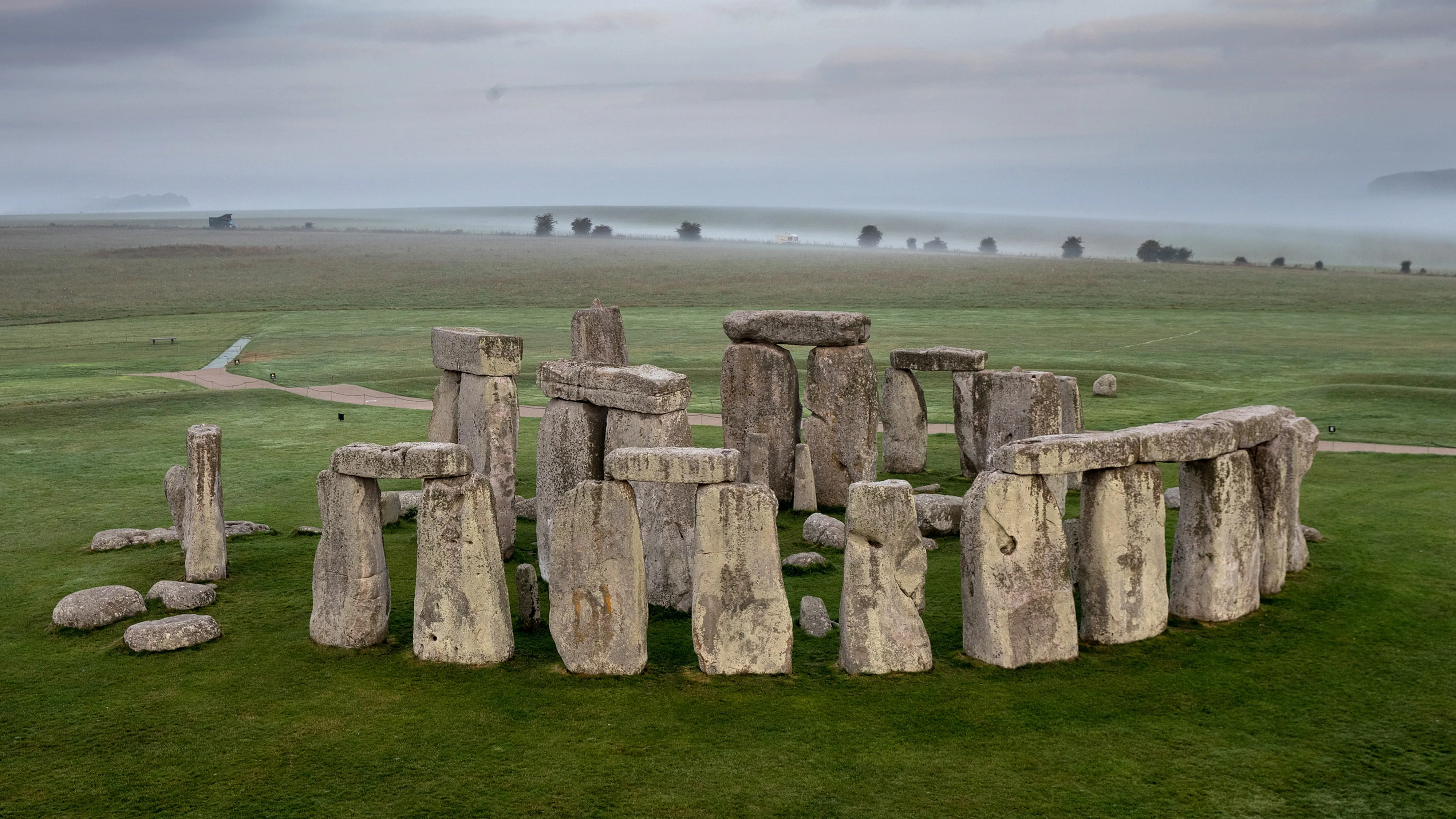
Ancient Druids and Rituals: Myth, Memory, and Meaning at Stonehenge
Unravel the popular image of druids at Stonehenge: what’s myth, what’s modern, and possible ritual landscapes in prehistory.
→
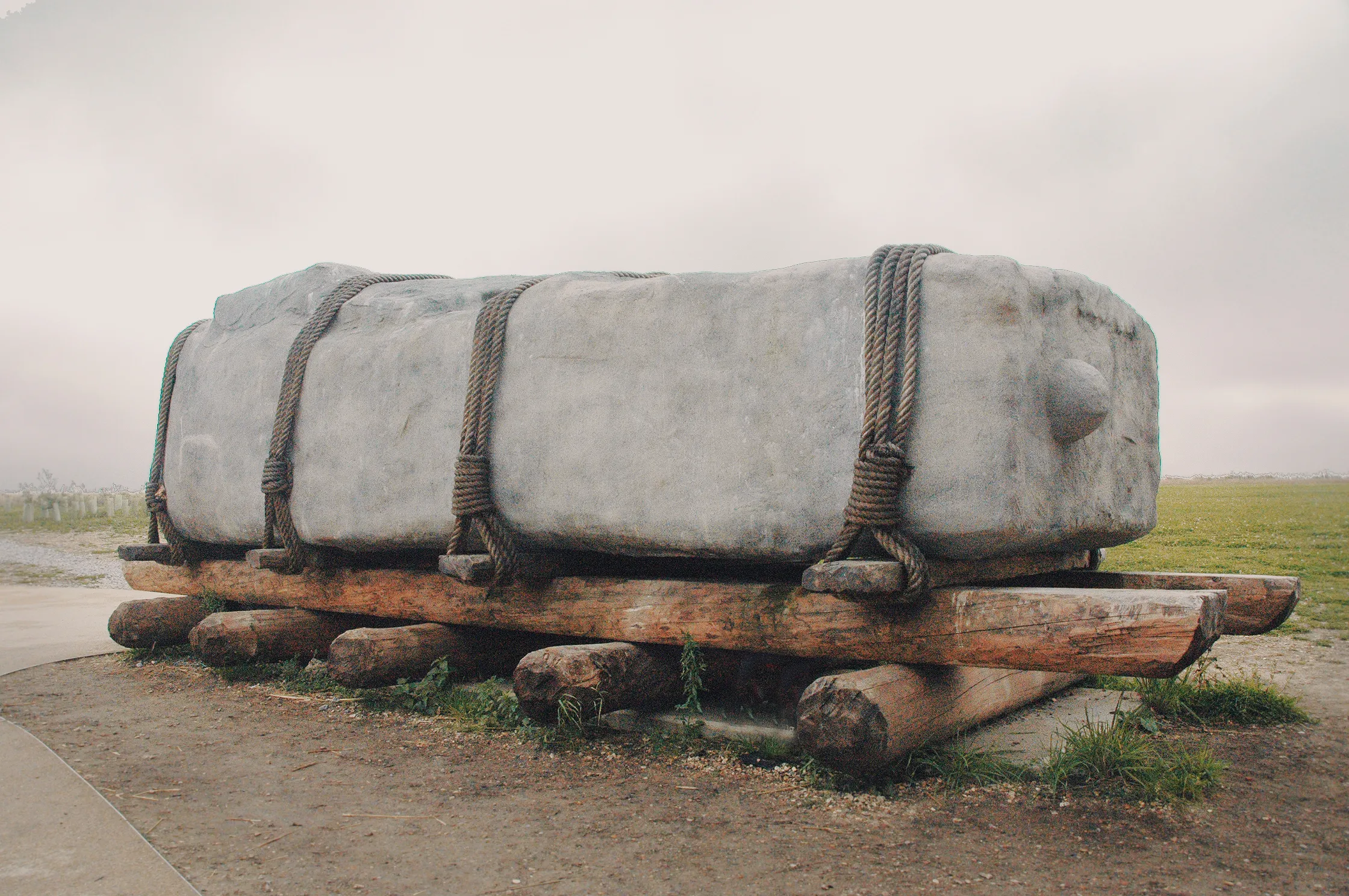
The Story of Stonehenge: From Earthworks to Icon
A clear timeline of Stonehenge’s construction phases, people, and transformations—why it matters and how it became a world symbol.
→
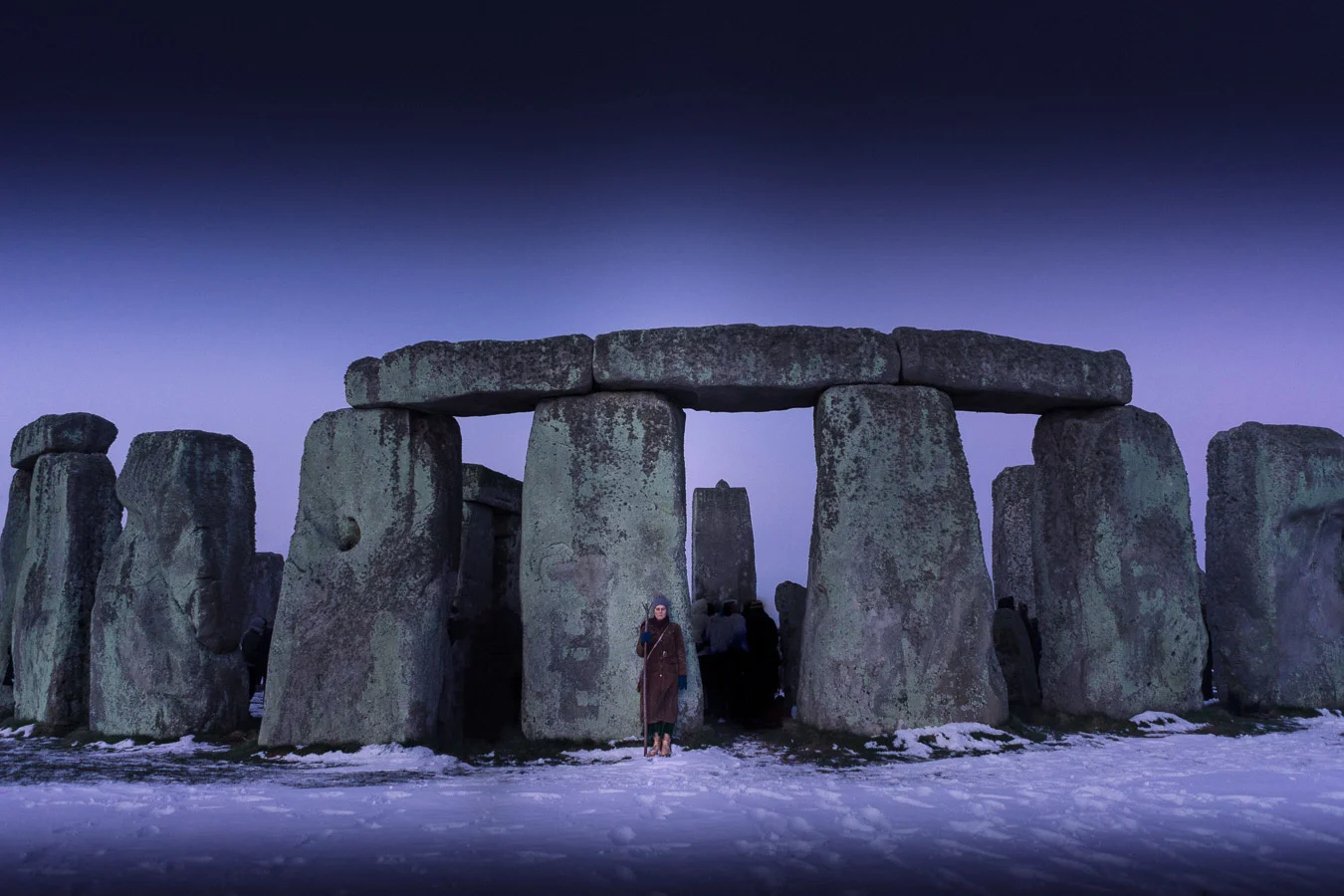
Mystic Significance: Why Stonehenge Feels Otherworldly
From alignments and acoustics to ancestor memory—why Stonehenge continues to carry a sense of mystic presence.
→
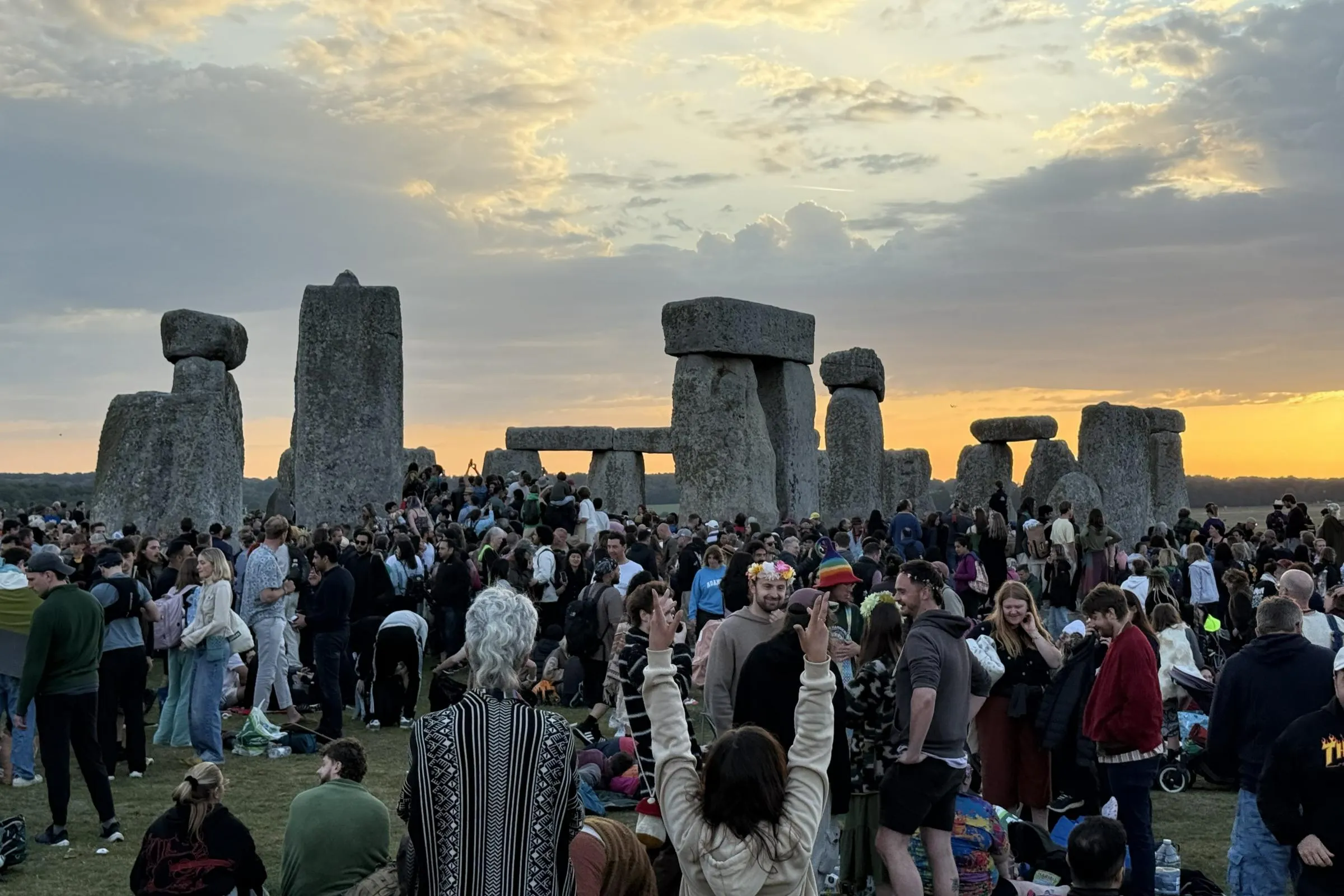
Astronomy at Stonehenge: Alignments, Calendars, and Sky Stories
What the alignments mean, how seasons are tracked, and the limits of the ‘observatory’ idea—science and archaeology together.
→
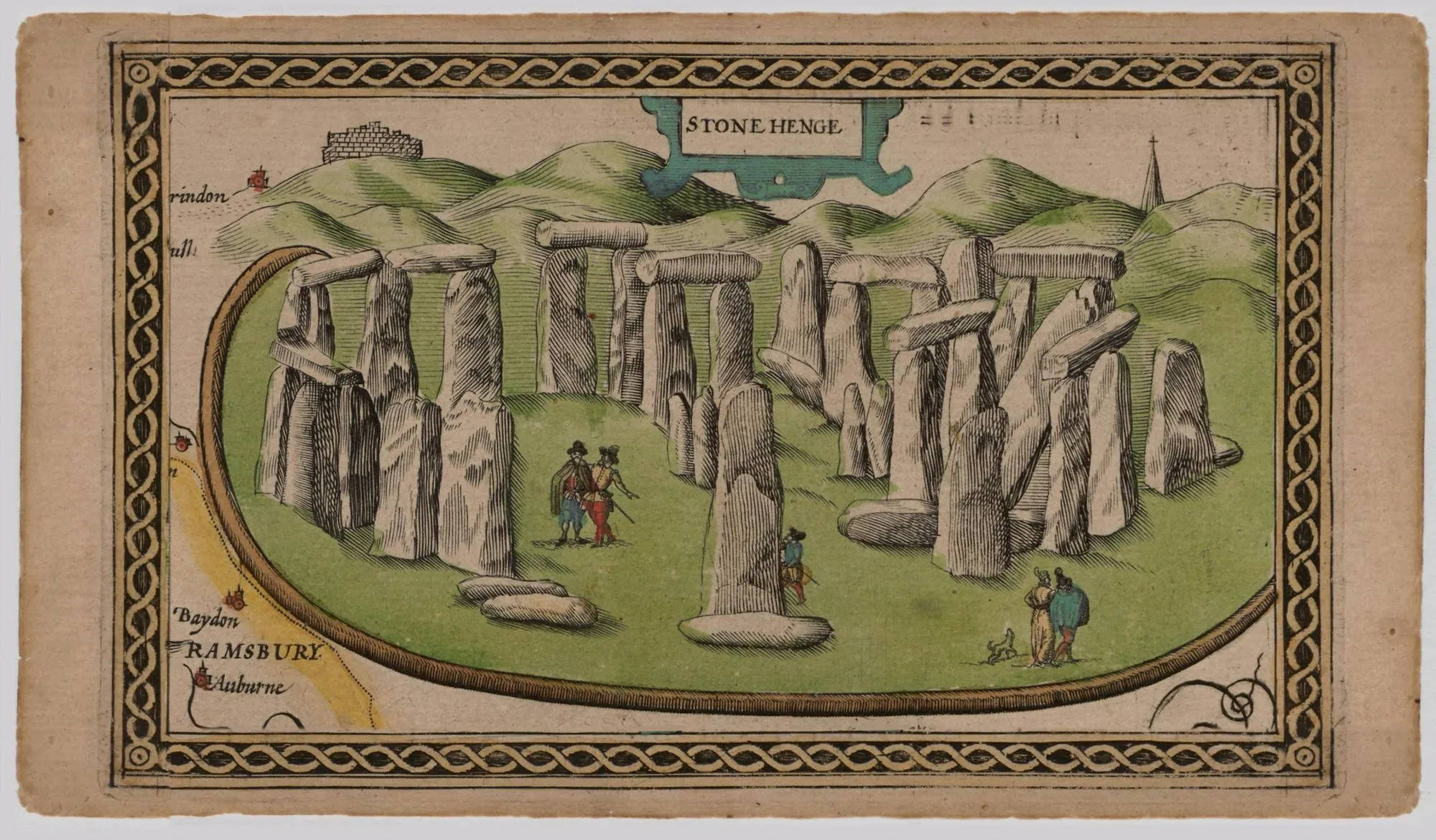
Legends and Myths: Giants, Merlin, and the Songs of Stone
The medieval and modern stories that wrapped Stonehenge in myth—from giants and Merlin to romantic-era imagination.
→
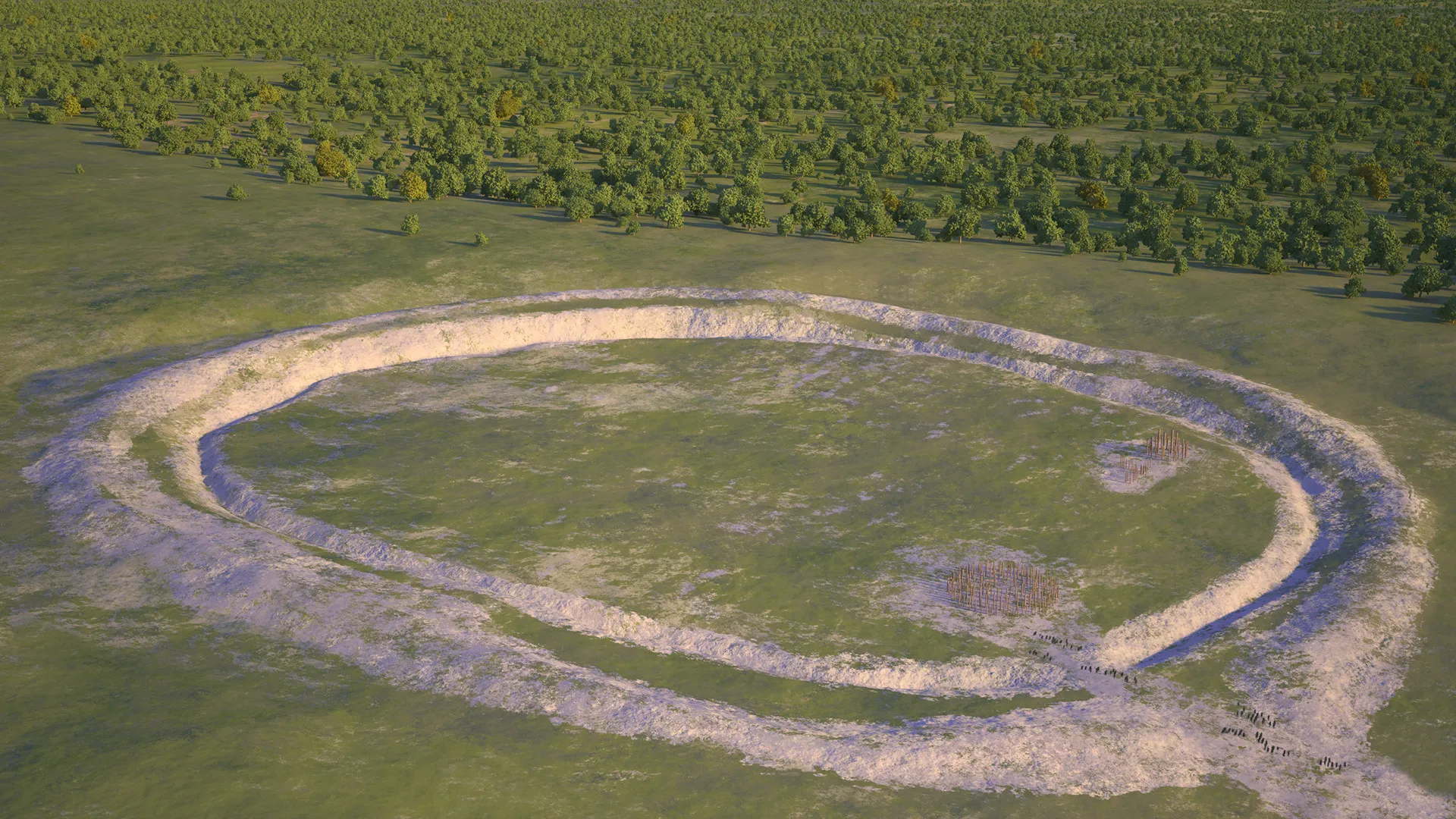
Who Built Stonehenge? Community, Craft, and the Durrington Walls Connection
Meet the builders: seasonal communities, skilled craft, logistics from Wales to Wessex, and the social choreography behind the stones.
→
Stonehenge History: A Thousand Years of Building and Belief
A concise yet thorough history of Stonehenge’s making, use, and afterlives from Neolithic beginnings to modern conservation.
→
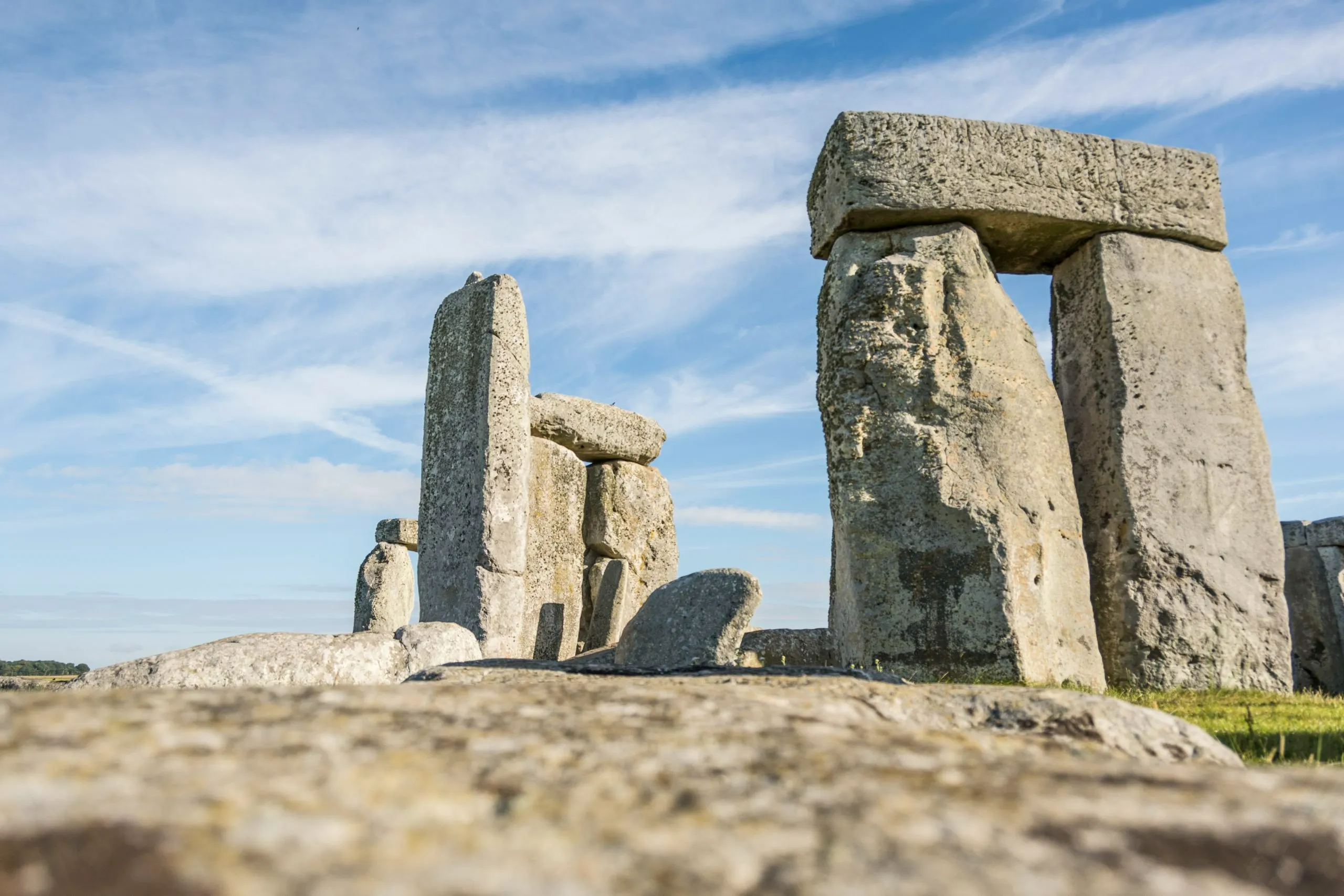
Sarsens and Bluestones: Geology, Sources, and Craft
Where Stonehenge’s stones come from, how they were shaped, and why their differences matter to the monument’s design.
→
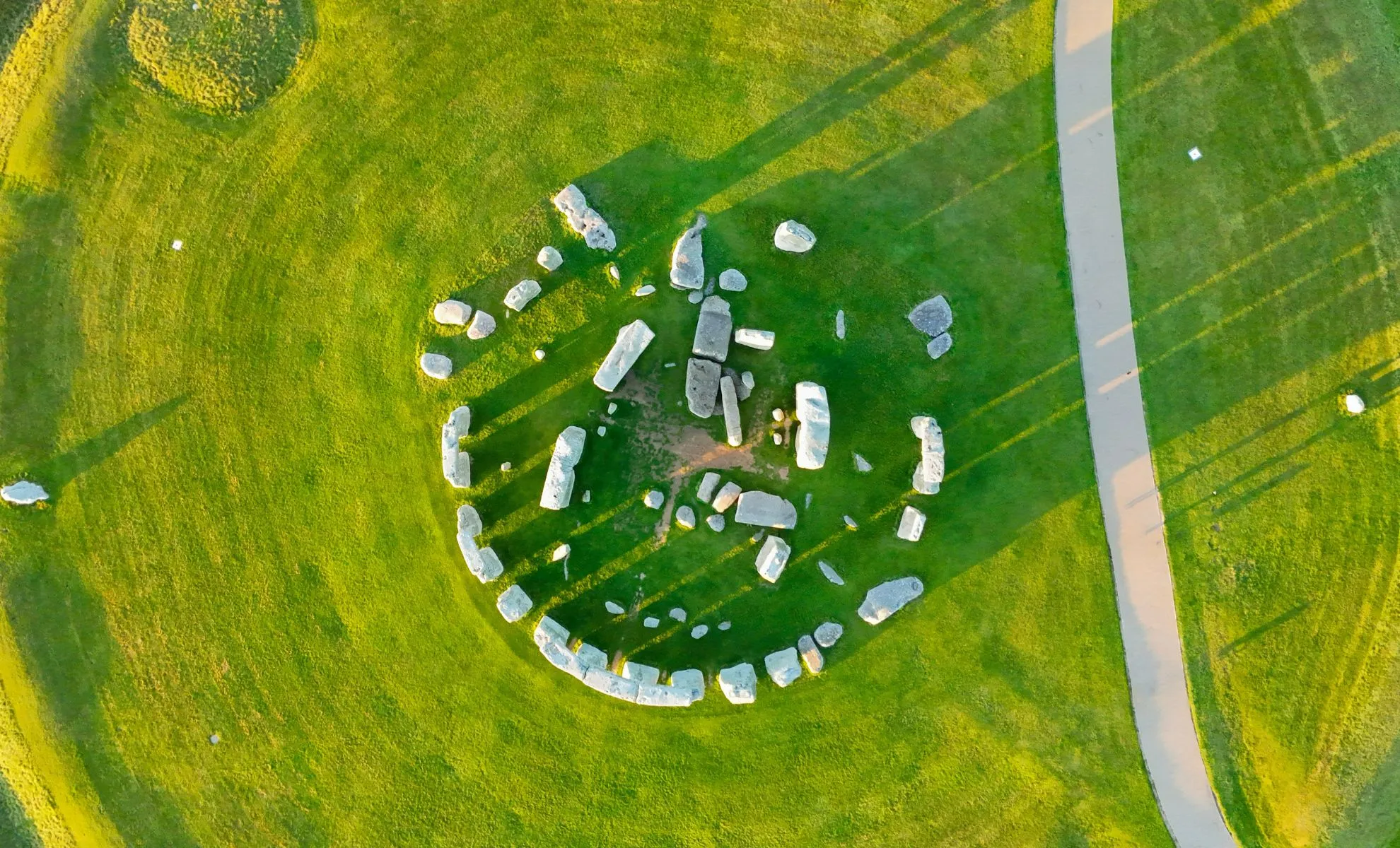
The Avenue and River Avon: Movement, Procession, and Meaning
Follow the ceremonial route from Stonehenge to the River Avon: procession, thresholds, and the choreography of landscape.
→
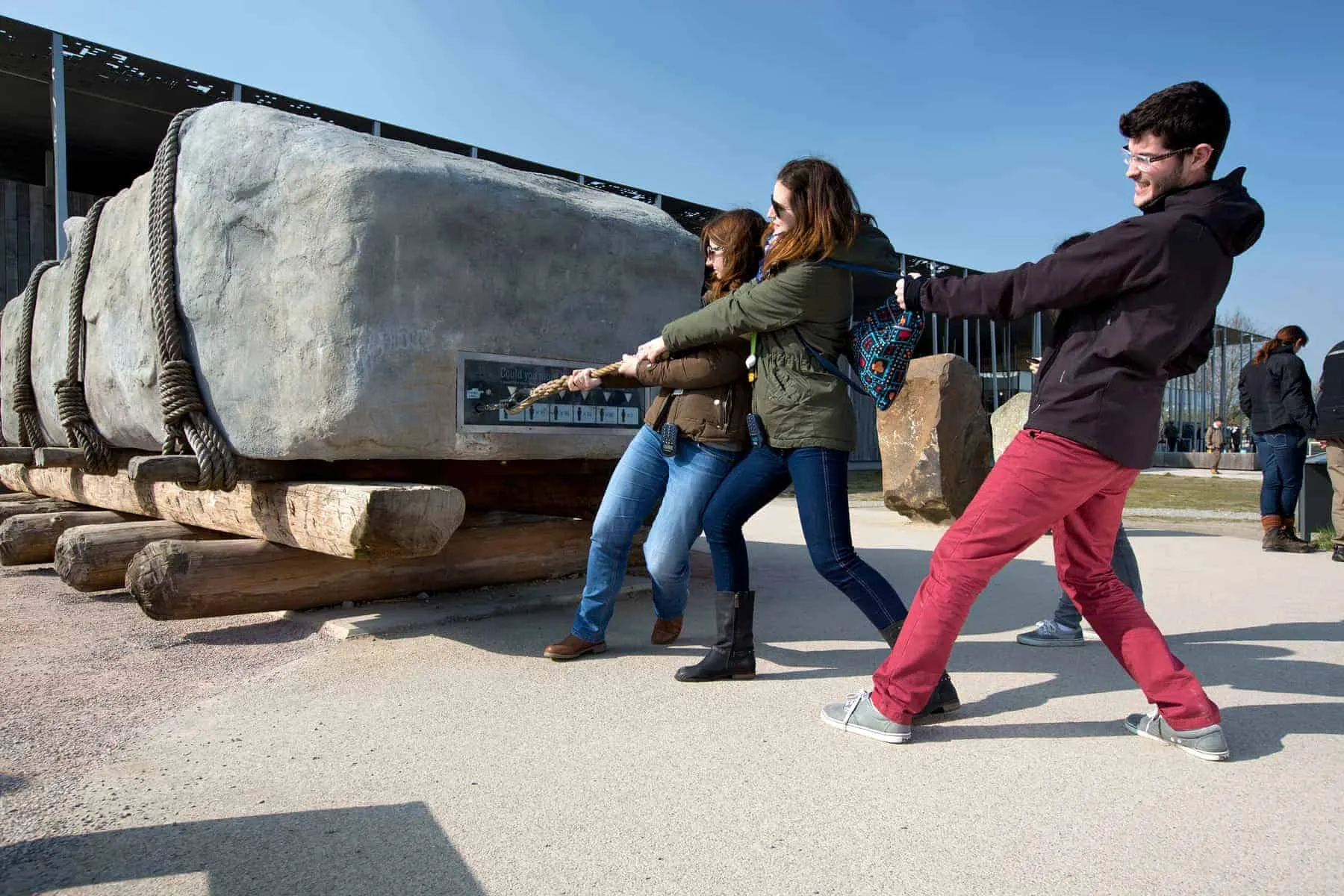
Engineering Stonehenge: Joinery, Lifting, and Optical Design
How the builders shaped, lifted, and aligned massive stones—joinery details, hauling logistics, and optical corrections.
→
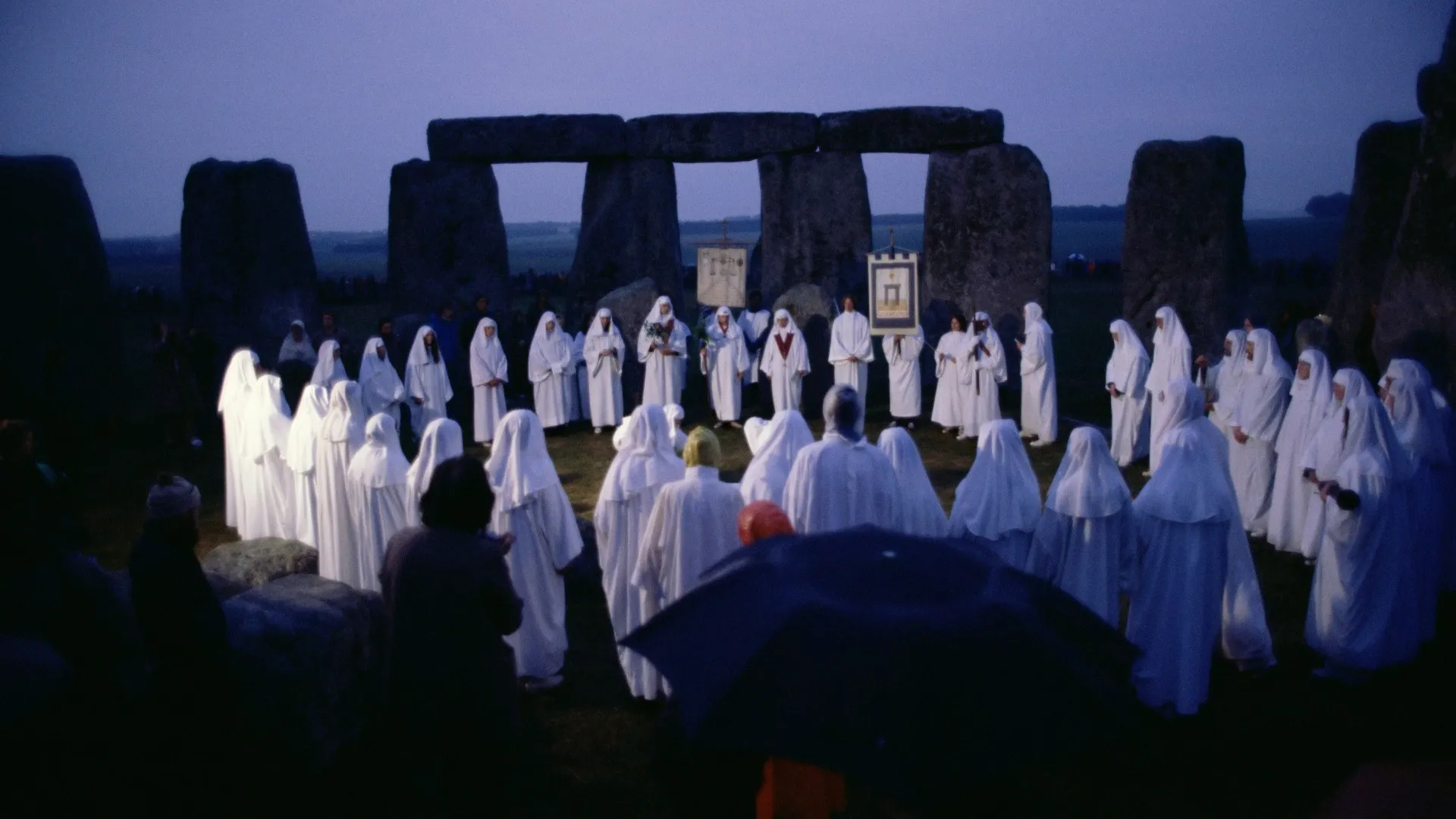
The Ritual Landscape: Stonehenge, Durrington Walls, and Woodhenge
Zoom out: how neighboring monuments and settlements form a ritual landscape of movement, gathering, and memory.
→
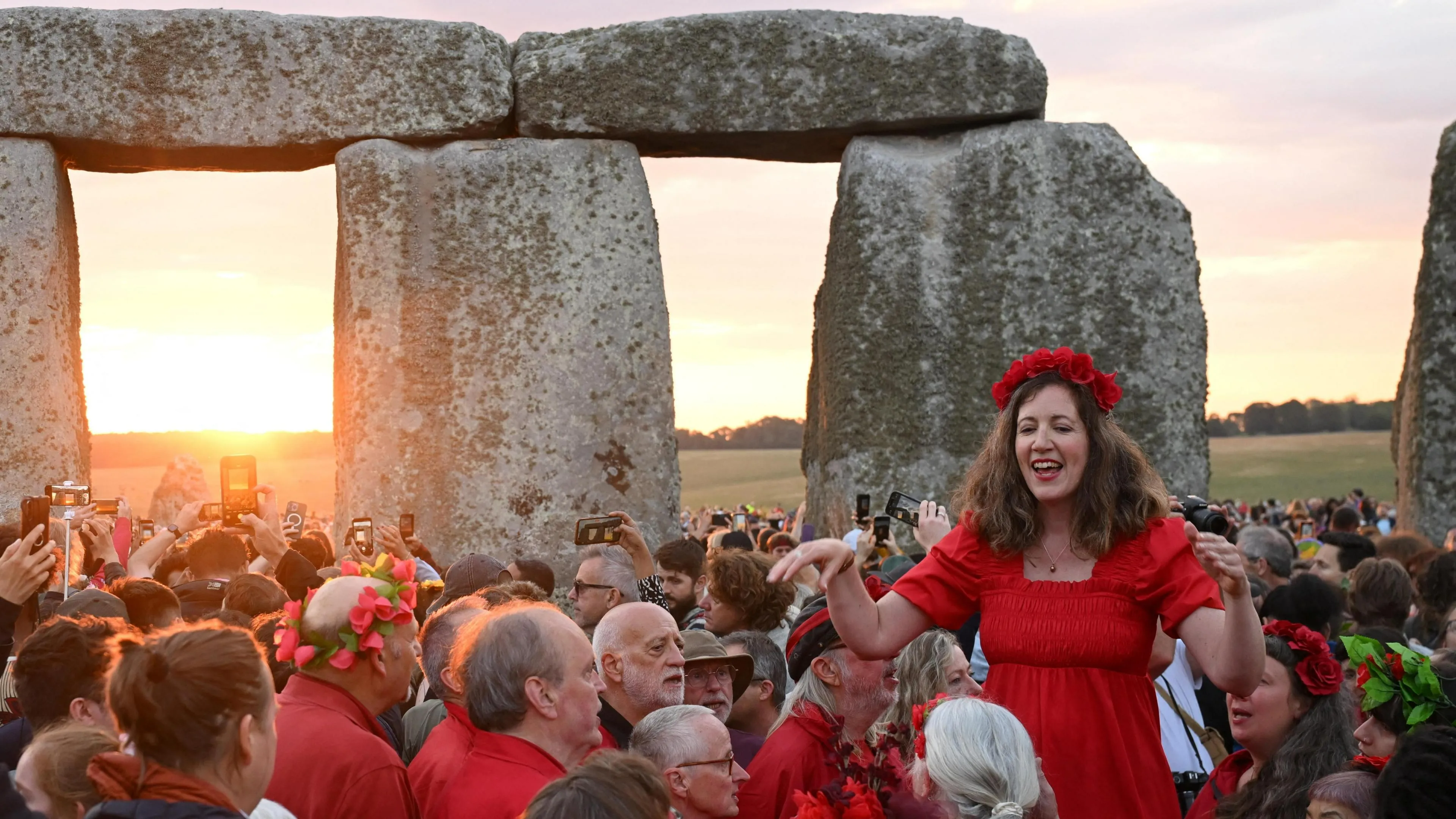
Solstice at Stonehenge: Visiting Tips, Etiquette, and What to Expect
Plan a respectful and rewarding solstice experience: timing, weather, transport, and how to read the crowd and the light.
→
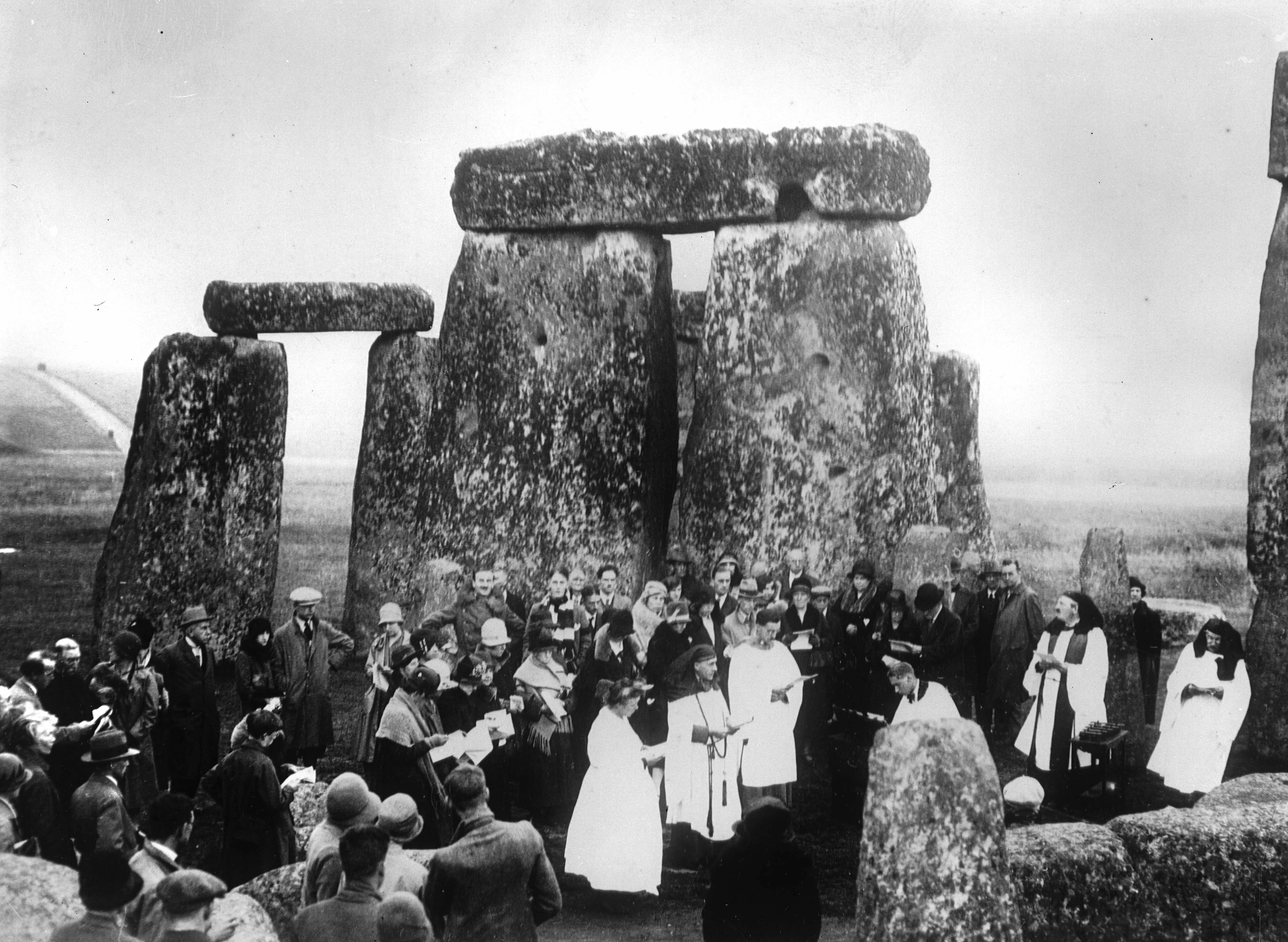
Conservation at Stonehenge: Stabilization, Access, and Research
How the monument is protected today—stabilization works, visitor management, research permits, and balancing access with care.
→
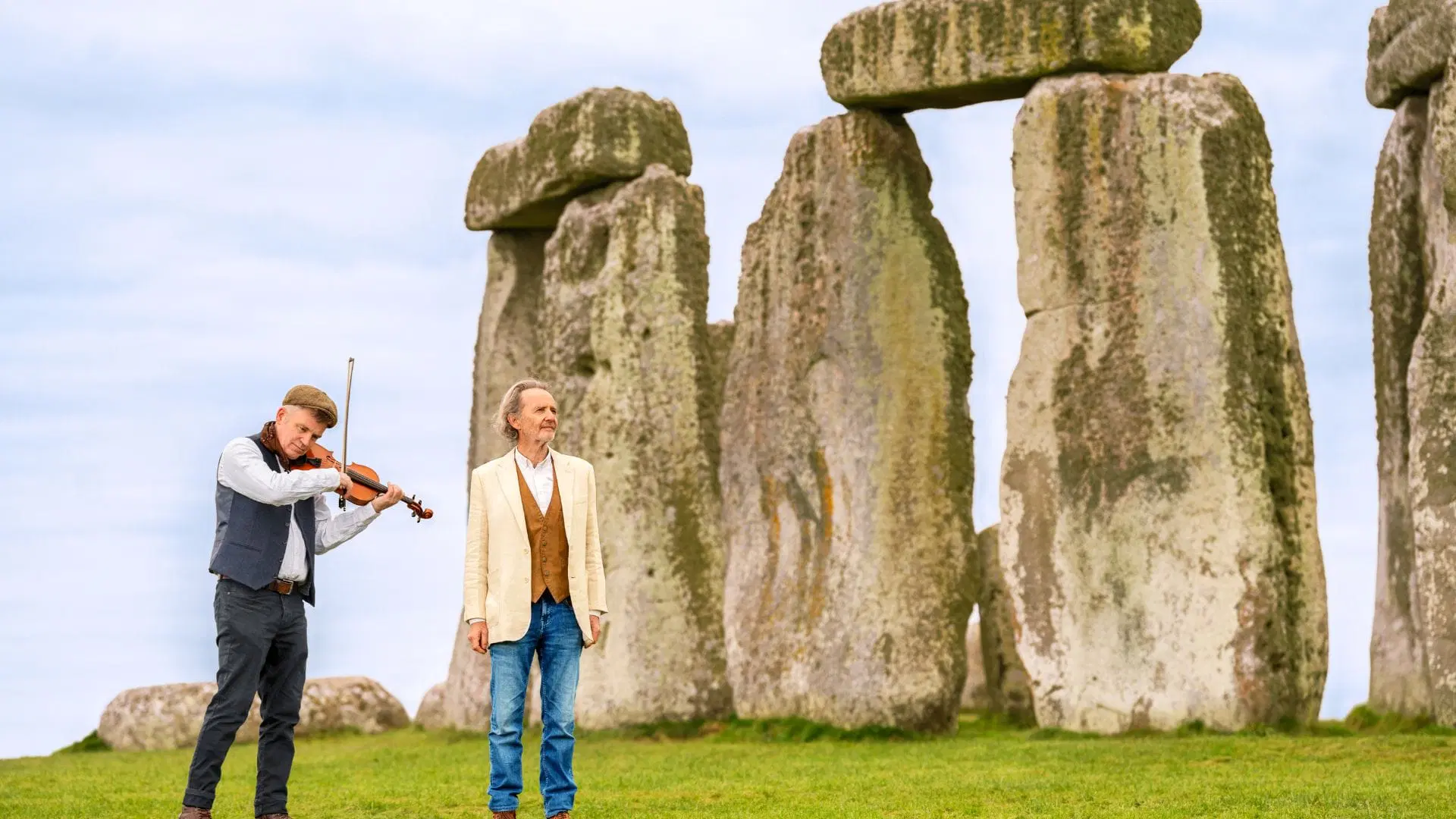
Hearing Stonehenge: Acoustics, Voice, and Silent Space
What sound does inside the circle—acoustic reflections, voice projection, and ritual uses of silence and noise.
→
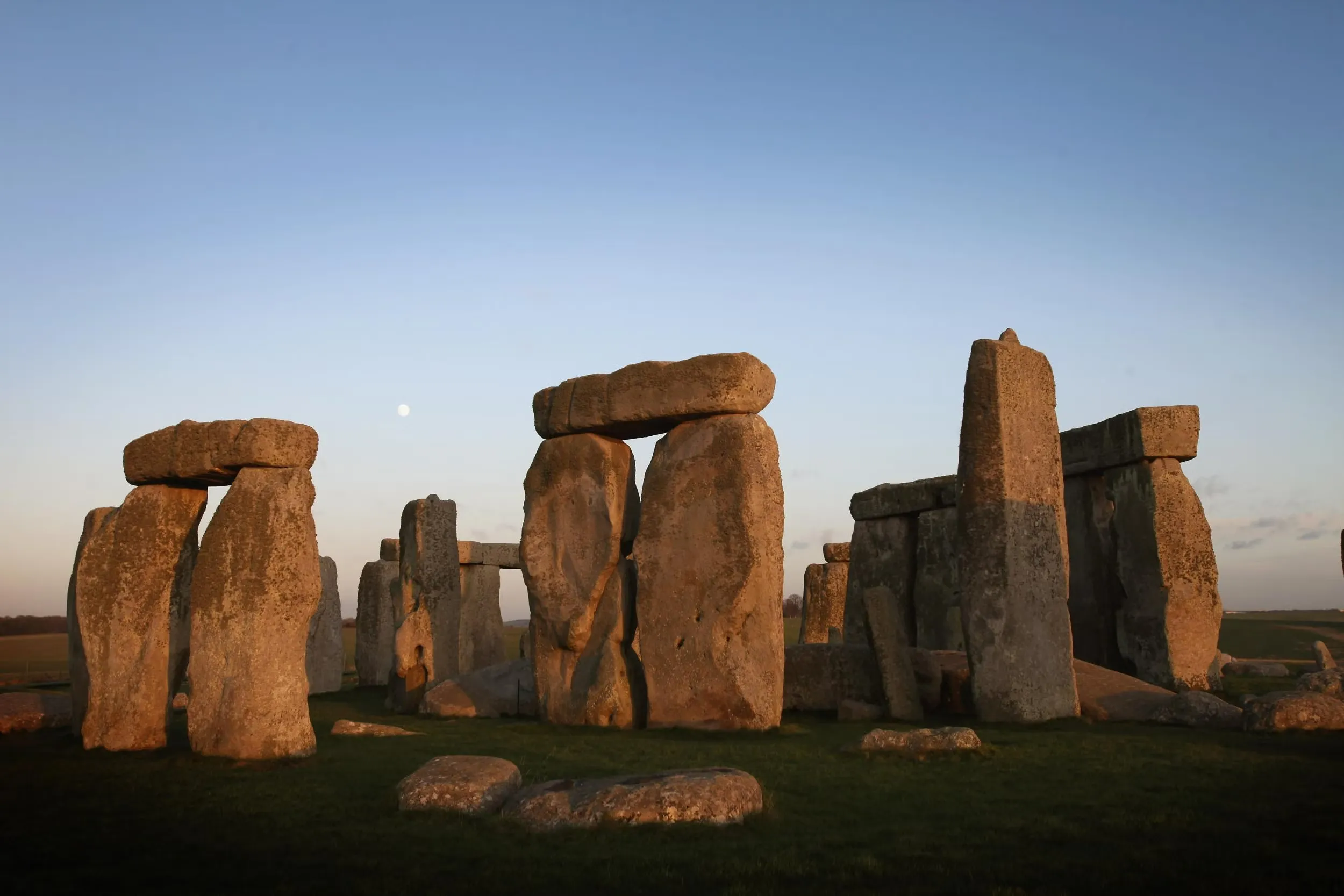
Seasonal Rituals: Reading Stonehenge as a Calendar of Life
How seasonal cycles shape gatherings—midwinter, midsummer, and the social calendar embedded in Stonehenge’s design.
→
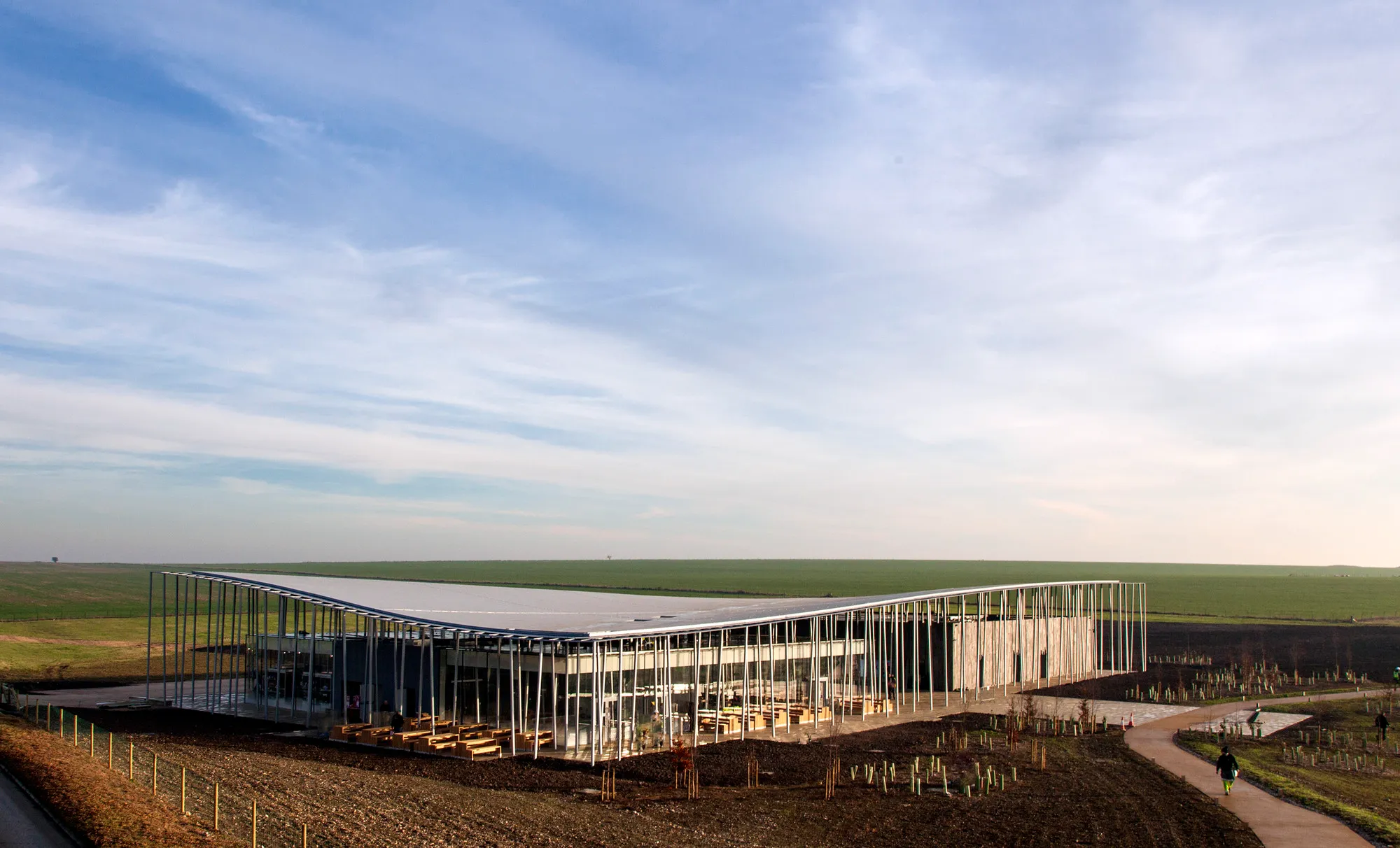
Stonehenge Visitor Centre: What to See Before the Stones
Plan your museum stop—key artifacts, models, and media that frame the experience before heading to the circle.
→
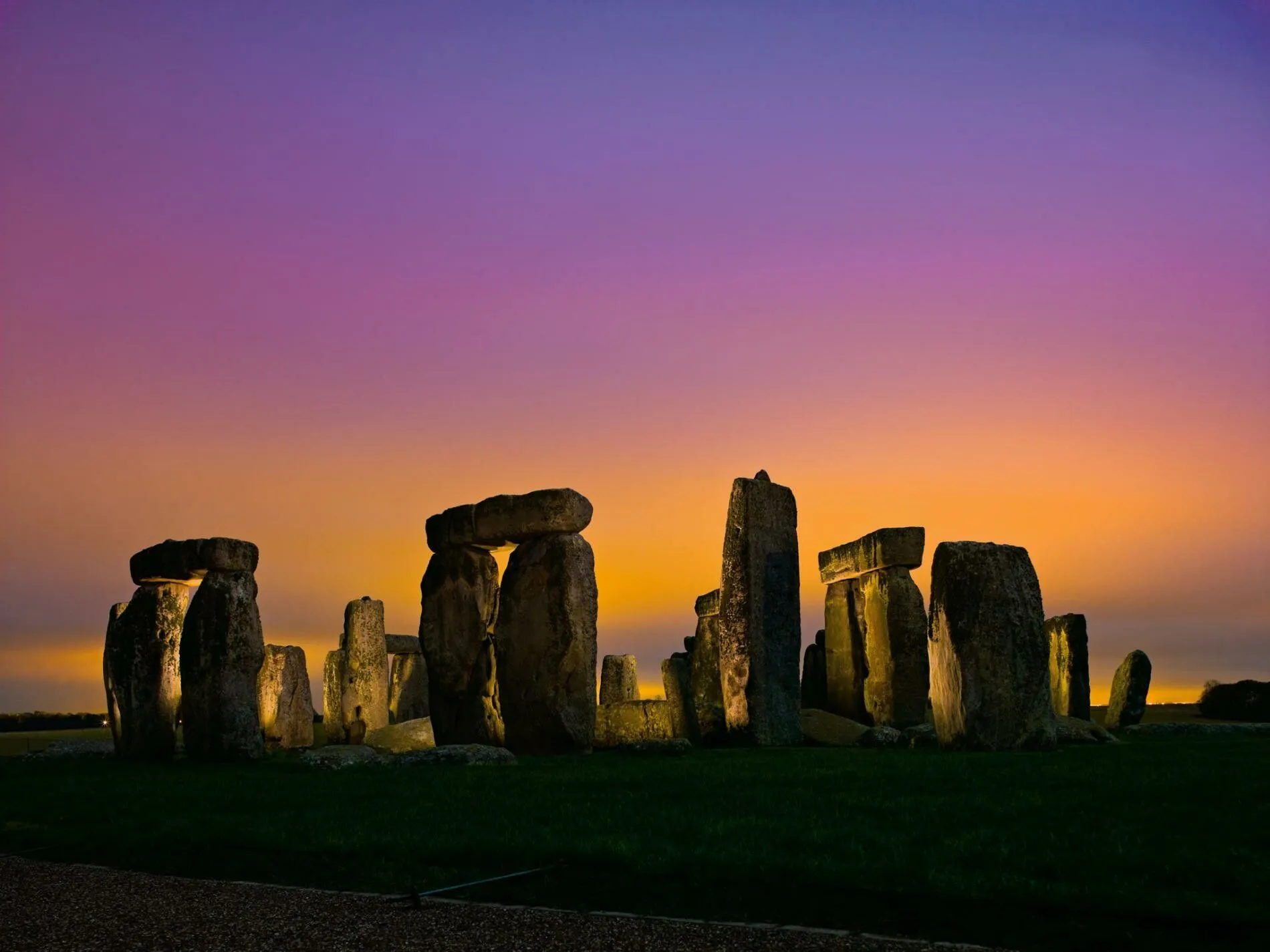
Photographing Stonehenge: Angles, Light, and Respect
How to capture Stonehenge at its best—light times, angles, and considerations for respectful, low-impact photography.
→
Debates and Theories: Healing Stones, Ancestors, or Cosmic Stage?
From healing-stone ideas to ancestor cults and observatory metaphors—what leading theories propose and where evidence stands.
→
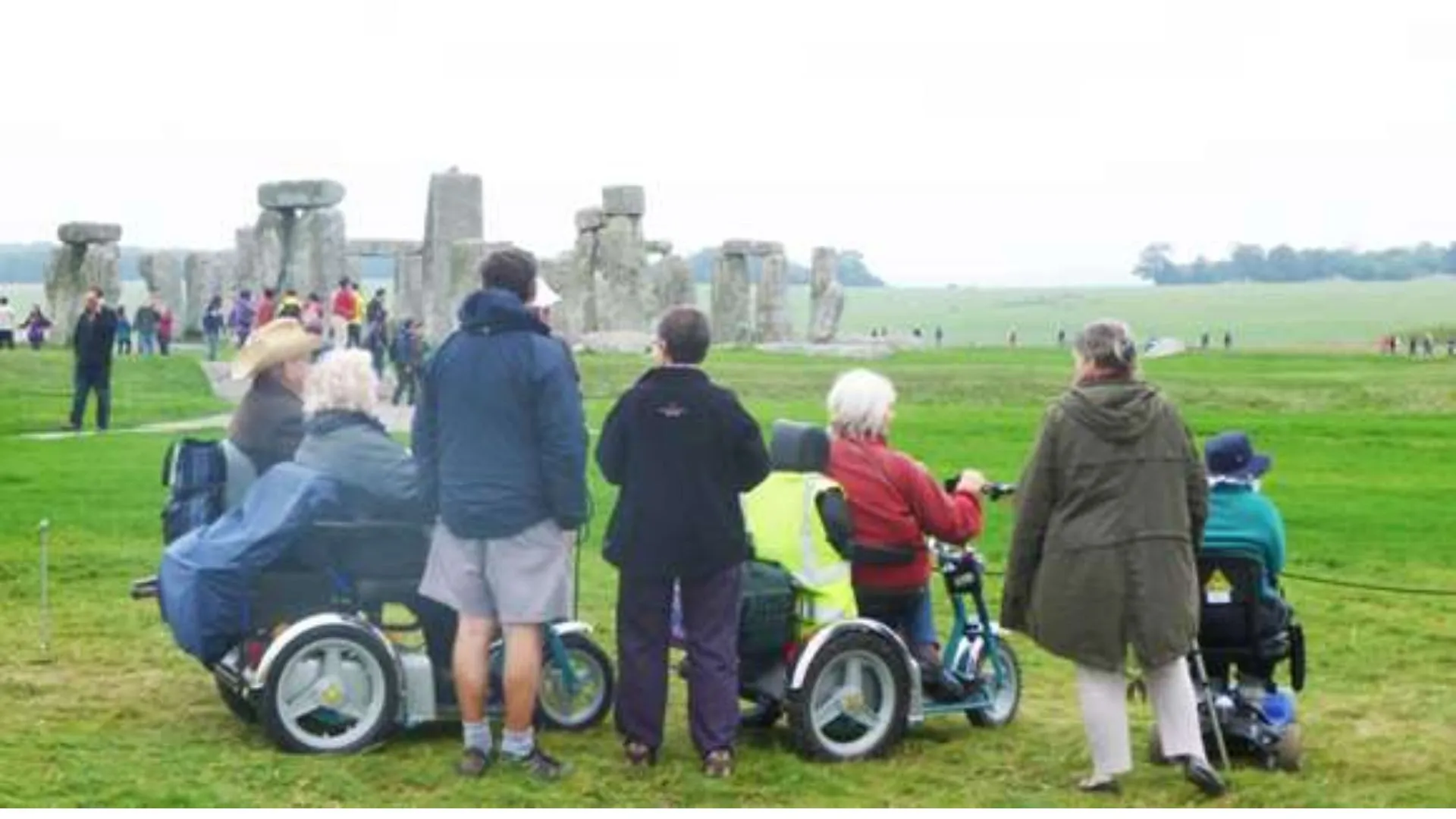
Accessibility and Family Visiting: Paths, Shuttles, and Calm Moments
Make Stonehenge welcoming for everyone—paths, shuttle options, accessible viewing, and family-friendly planning to avoid stress.
→
How We Know: Excavation, Remote Sensing, and Experimental Archaeology
The tools and methods behind Stonehenge research—excavation history, geophysics, and experiments that model construction.
→
Summer Solstice at Stonehenge: First Light, Flow, and Finding Your Place
A hands-on guide to experiencing the summer solstice at Stonehenge: timing, flow, vantage points, and how to read the moment with respect.
→
Solstice Today: Culture, Care, and How Stonehenge Hosts the Sunrise
Why solstice matters now—ritual plurality, event management by English Heritage, access, and balancing celebration with conservation.
→
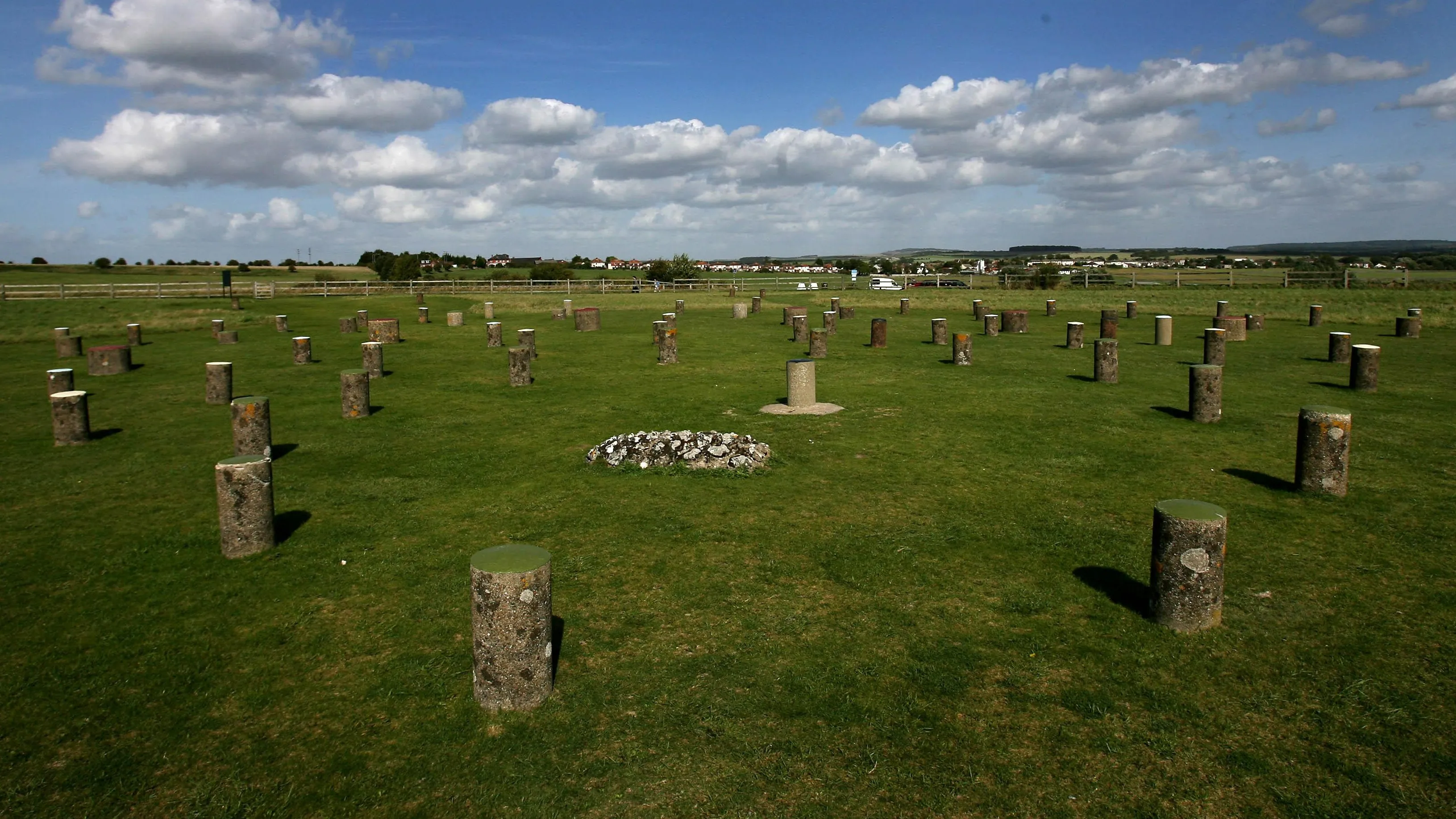
Woodhenge: Timber Circle, Ritual Logic, and Landscape
What Woodhenge was, how it worked, and how this timber circle fits the wider Stonehenge ritual landscape.
→