Visiting timetable09:30 AM – 07:00 PM
|Sunday, September 20, 2026Stonehenge, Amesbury, Salisbury SP4 7DE, United Kingdom
Back to landscape
woodhenge
Woodhenge – Timber Circle and Ritual Landscape Guide
A clear, practical guide to Woodhenge: plan, posts, purpose, and how it relates to Stonehenge and Durrington Walls.
12/2/2025
12 min read
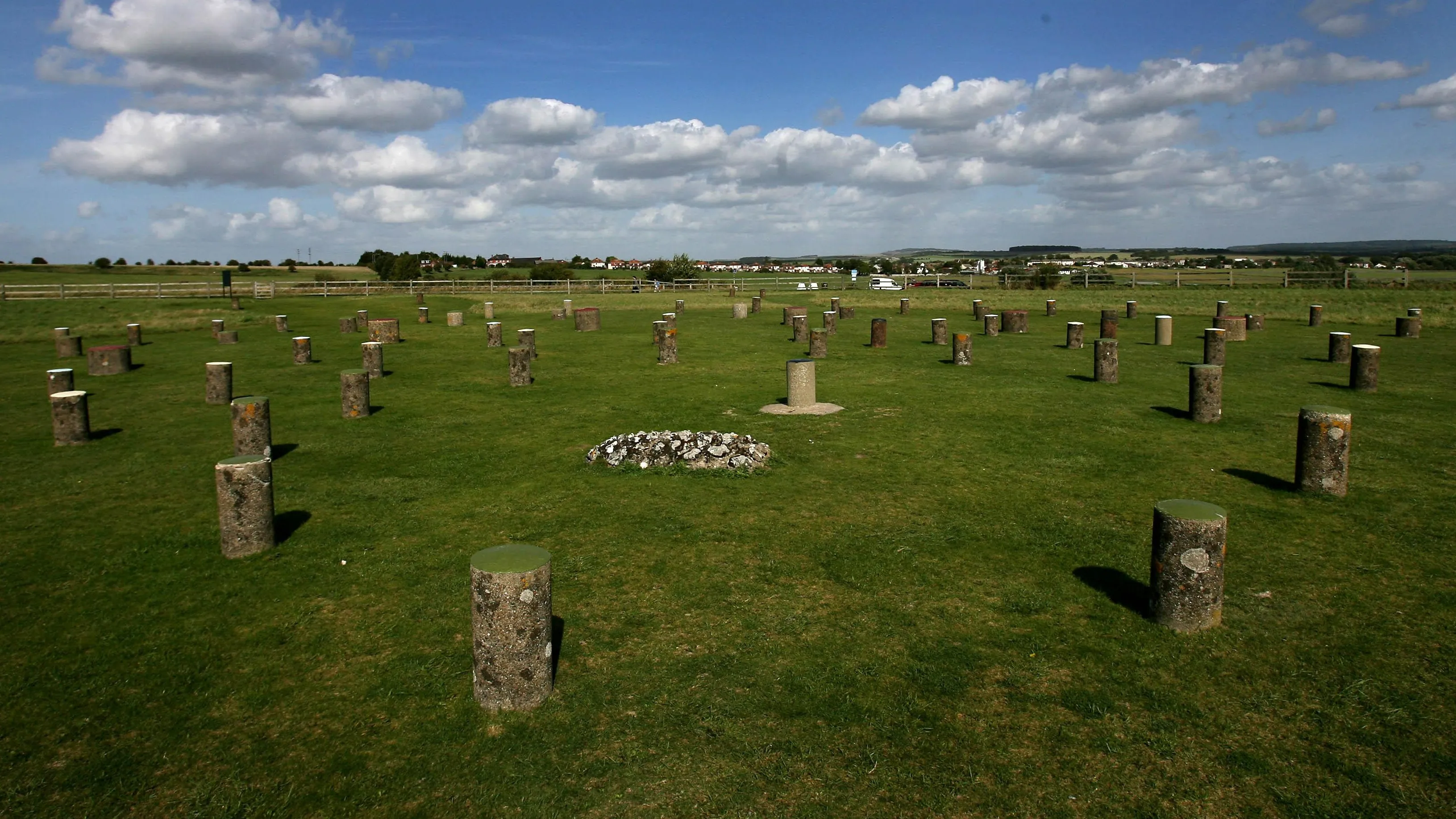
Bottom line: Woodhenge is a carefully planned timber monument that helps decode how people moved, gathered, and made meaning across the Stonehenge landscape.
Fast Facts
| Item | Detail |
|---|---|
| Type | Timber circle (concentric post rings) |
| Date | Late Neolithic–Early Bronze Age |
| Nearby | Durrington Walls settlement, River Avon |
| Function | Ceremony, movement, memory (multiple hypotheses) |
What Was Woodhenge?
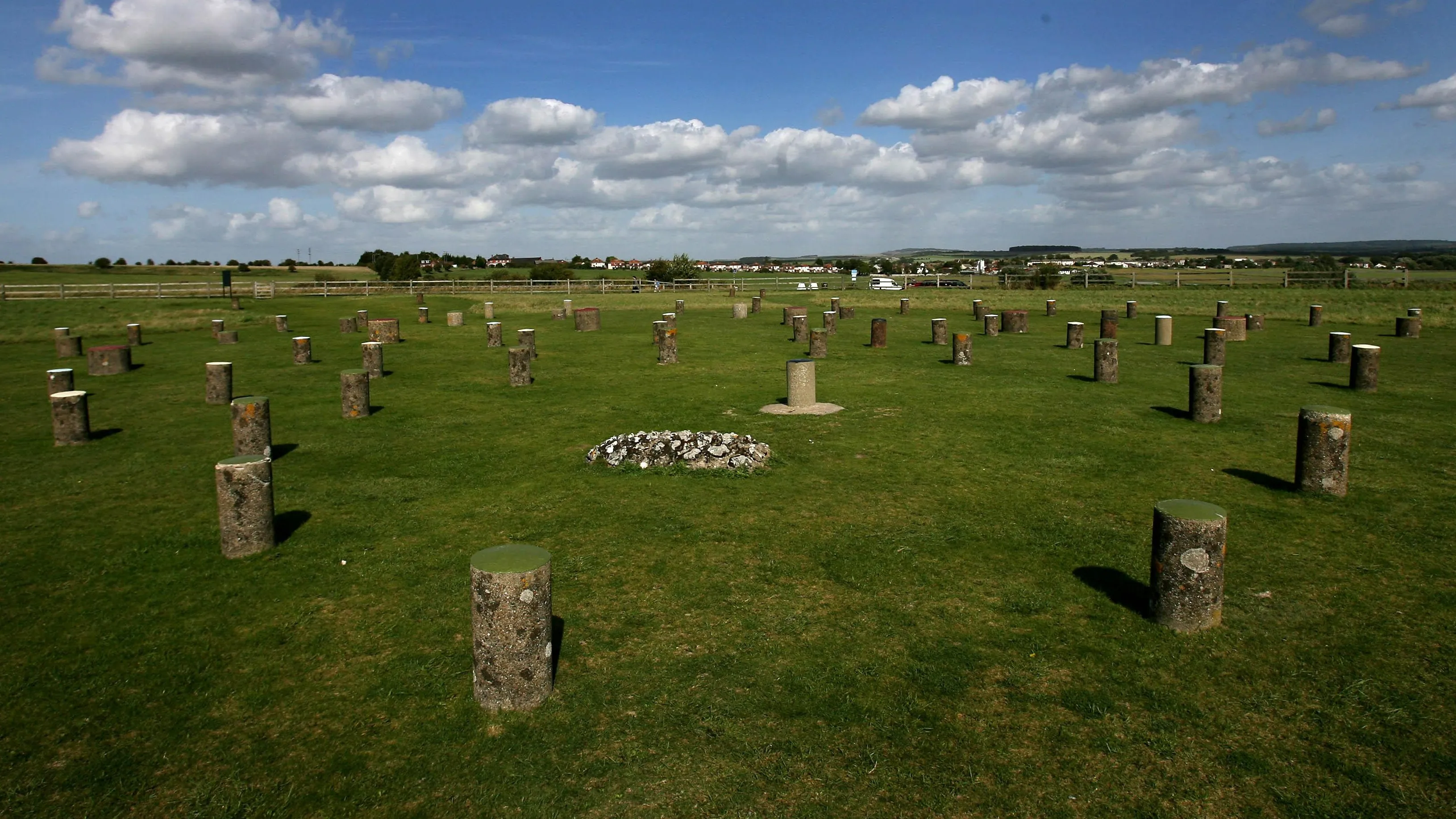
- A monument of six concentric rings of timber posts, not stone.
- Central features likely framed movement, sound, and sky cues.
- Its geometry shows planning and social coordination similar in spirit to Stonehenge.
Plan and Materials
- Post rings set out with care; posts may have varied heights.
- Timber implies a different ritual tone from stone—more ephemeral, more renewable.
- Proximity to Durrington Walls links Woodhenge to feast and gathering spaces.
Image Highlights
How It Fits the Landscape
- Think in routes: River Avon, Durrington Walls, Woodhenge, and Stonehenge form a ritual constellation.
- Movement between timber and stone may have marked life-cycle or seasonal transitions.
- Alignments and sightlines need not match Stonehenge to be meaningful—they shape different moments.
Evidence and Excavation
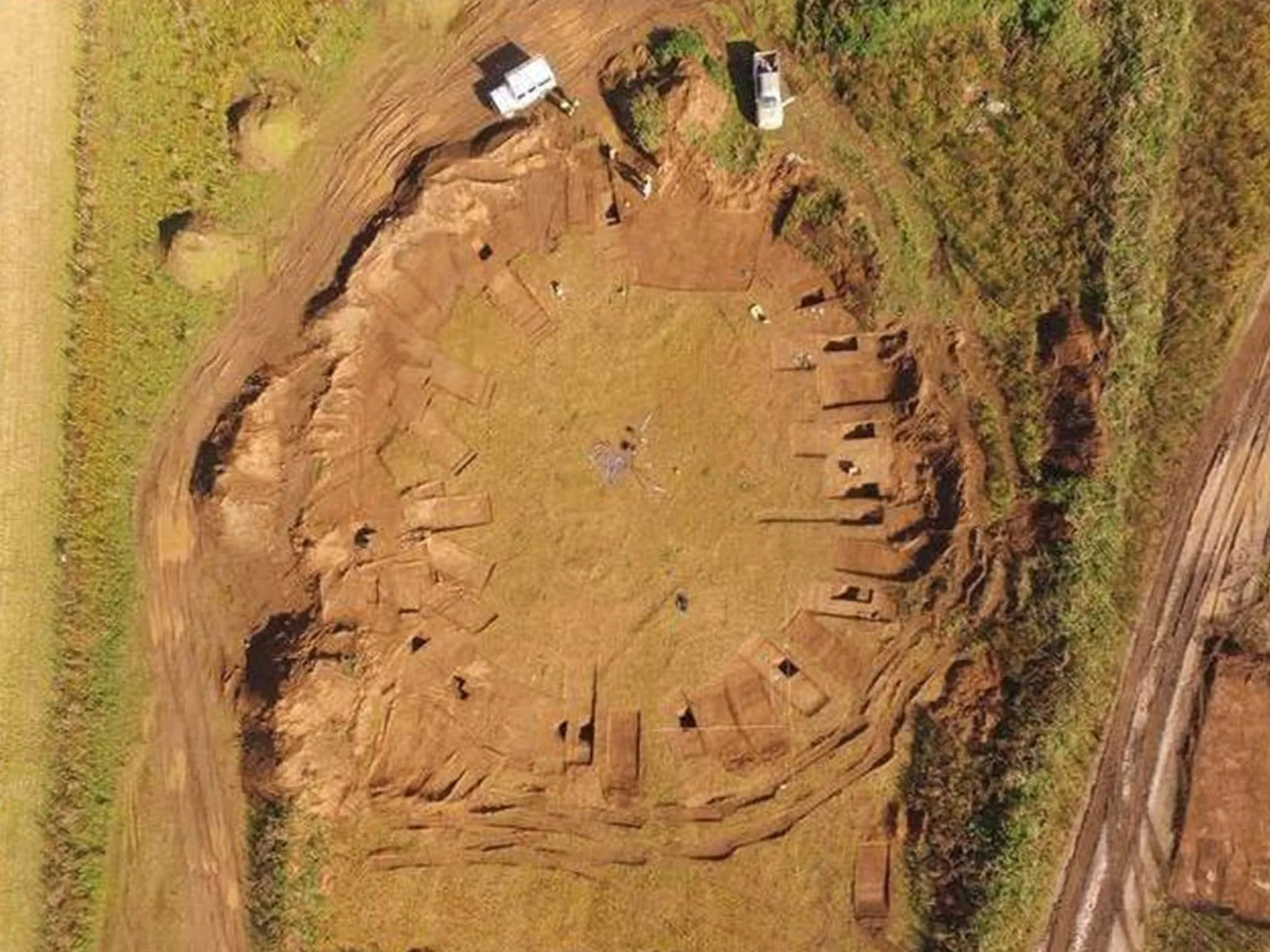
- Excavations and surveys define the post holes and ring geometry.
- Experimental archaeology helps model construction and crowd flow.
- Geophysics (magnetometry, LIDAR) maps surrounding features.
Visiting Tips
- Woodhenge is subtle—read the plan on the ground; use on-site diagrams.
- Pair the visit with Durrington Walls to feel scale and context.
- Go early or late for quieter light and easier orientation.
Bottom Line
Woodhenge complements Stonehenge: timber and stone together tell a bigger story of gathering, movement, and shared time.
See Also
About the Author

Landscape Features Editor
I built this to help you enjoy Stonehenge calmly—clear pacing, better timing, and context that makes the stones and landscape resonate.
Tags
Woodhenge
timber circle
Durrington Walls
ritual landscape
prehistoric
Comments (0)
Leave a Comment
Loading comments...