A circle written in sky and stone
Sarsen trilithons, Preseli bluestones, solstice alignments, barrows, and avenues—prehistoric Britain in one view.
Table of Contents
Origins and building phases
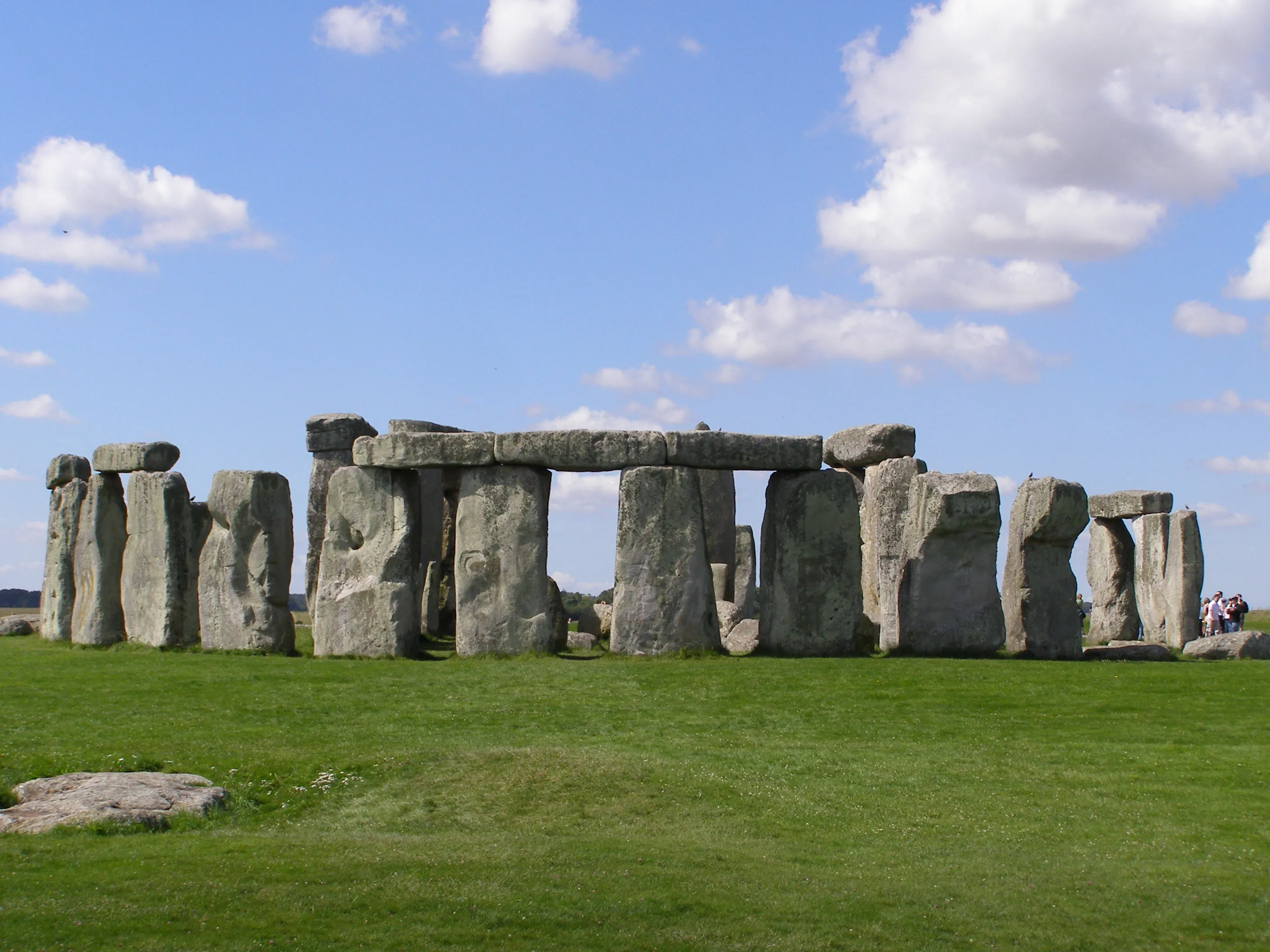
Raised over many centuries (c. 3000–2000 BCE), Stonehenge began as an earthwork henge and ditch before the iconic stone circle took shape.
Bluestones from west Wales and massive sarsens from the Marlborough Downs were shaped and set with care—the lintels locked by precise joints.
Neolithic society and purpose
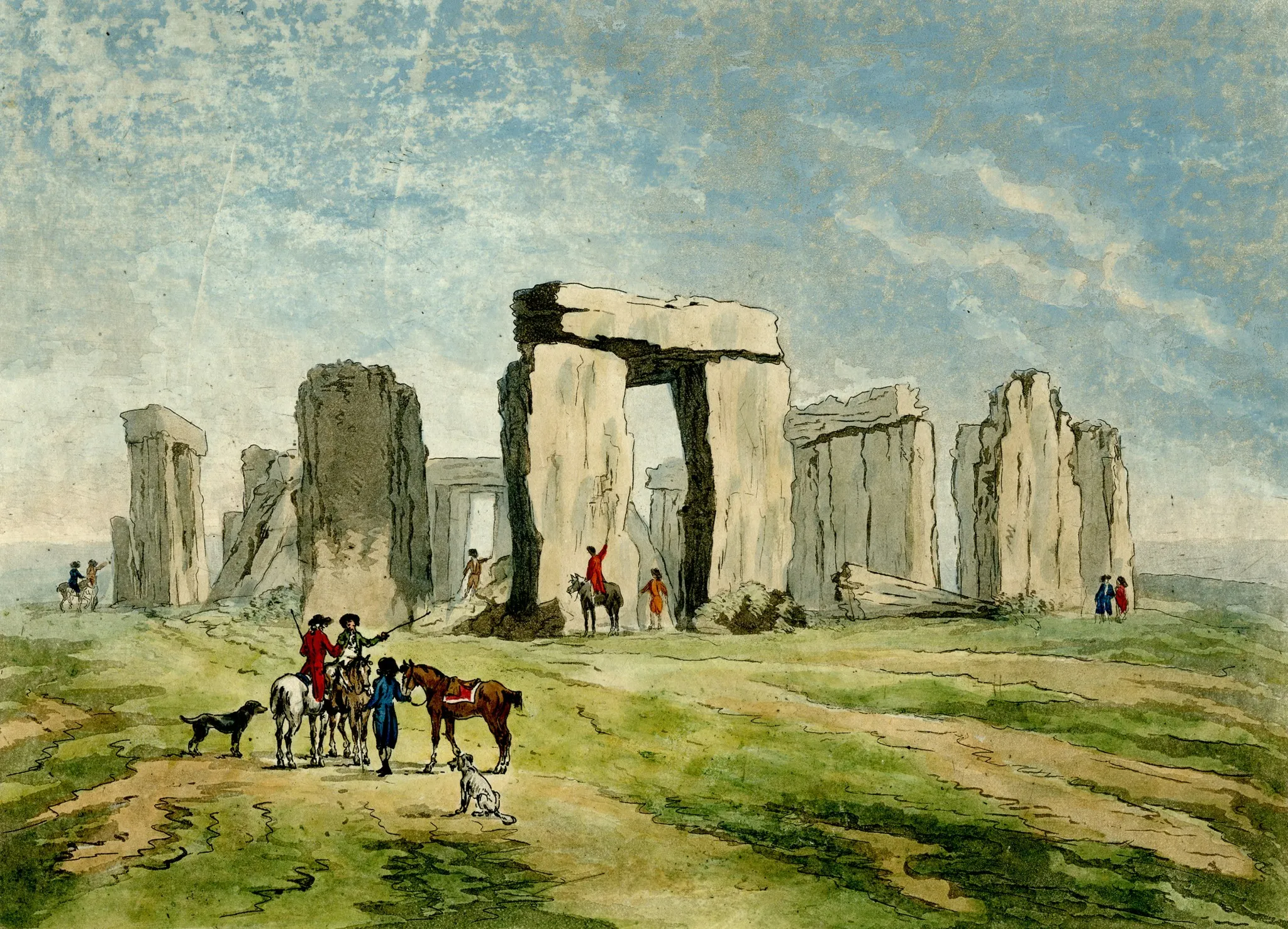
Building Stonehenge demanded coordination, shared belief, and seasonal gatherings—evidence hints at feasting and large, skilled communities.
Meaning remains debated: ceremony, ancestors, healing, astronomy, or all at once—its power lies in layered possibilities.
Astronomy and solstice alignments
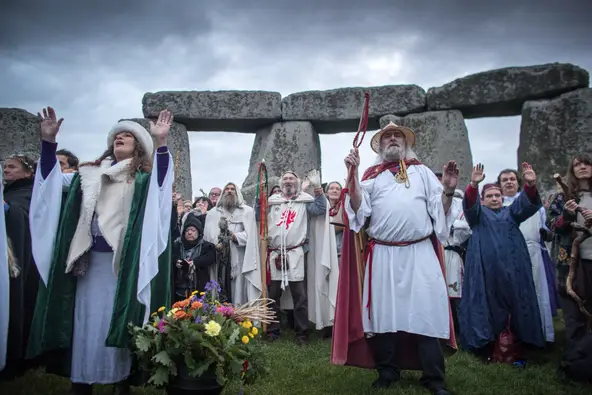
The monument frames the summer solstice sunrise and winter solstice sunset—moments when light, stones, and horizon align strikingly.
Astronomy likely intertwined with ritual calendars—alignments anchored seasonal rhythms and shared gatherings.
Landscape: avenues, cursus, barrows
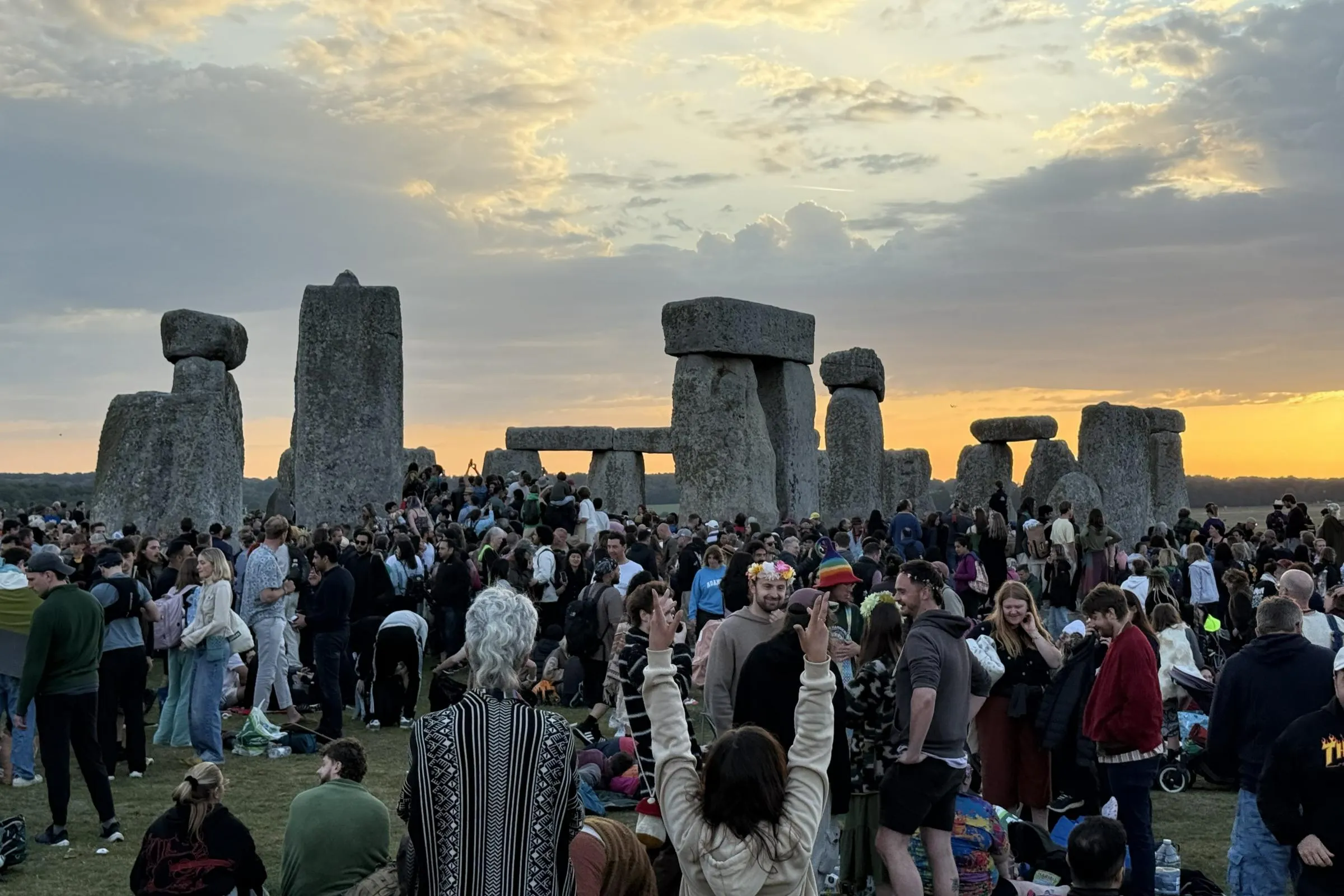
Stonehenge belongs to a bigger ritual landscape—avenues connecting river and circle, long cursus monuments, and barrow cemeteries on the ridges.
Nearby sites like Durrington Walls and Woodhenge reveal a network of timber and stone monuments linked by movement and meaning.
Bluestones, sarsens, and geology
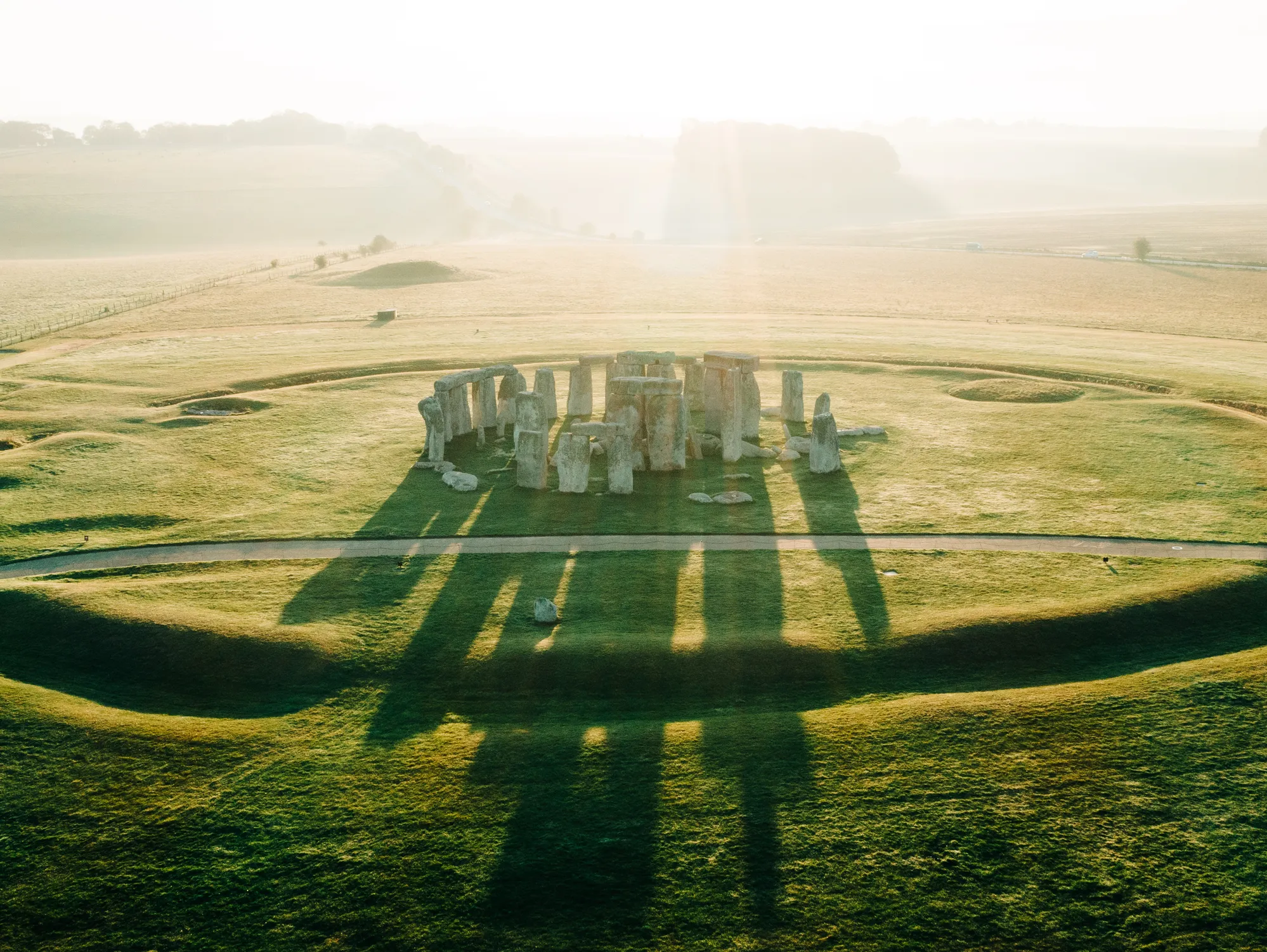
Sarsens (silcrete boulders) likely came from the Marlborough Downs; bluestones originated in the Preseli Hills—transported over long distances.
Mortise‑and‑tenon joints and tongue‑and‑groove lintels show astonishing prehistoric carpentry adapted to stone.
Burials, ritual, and memory
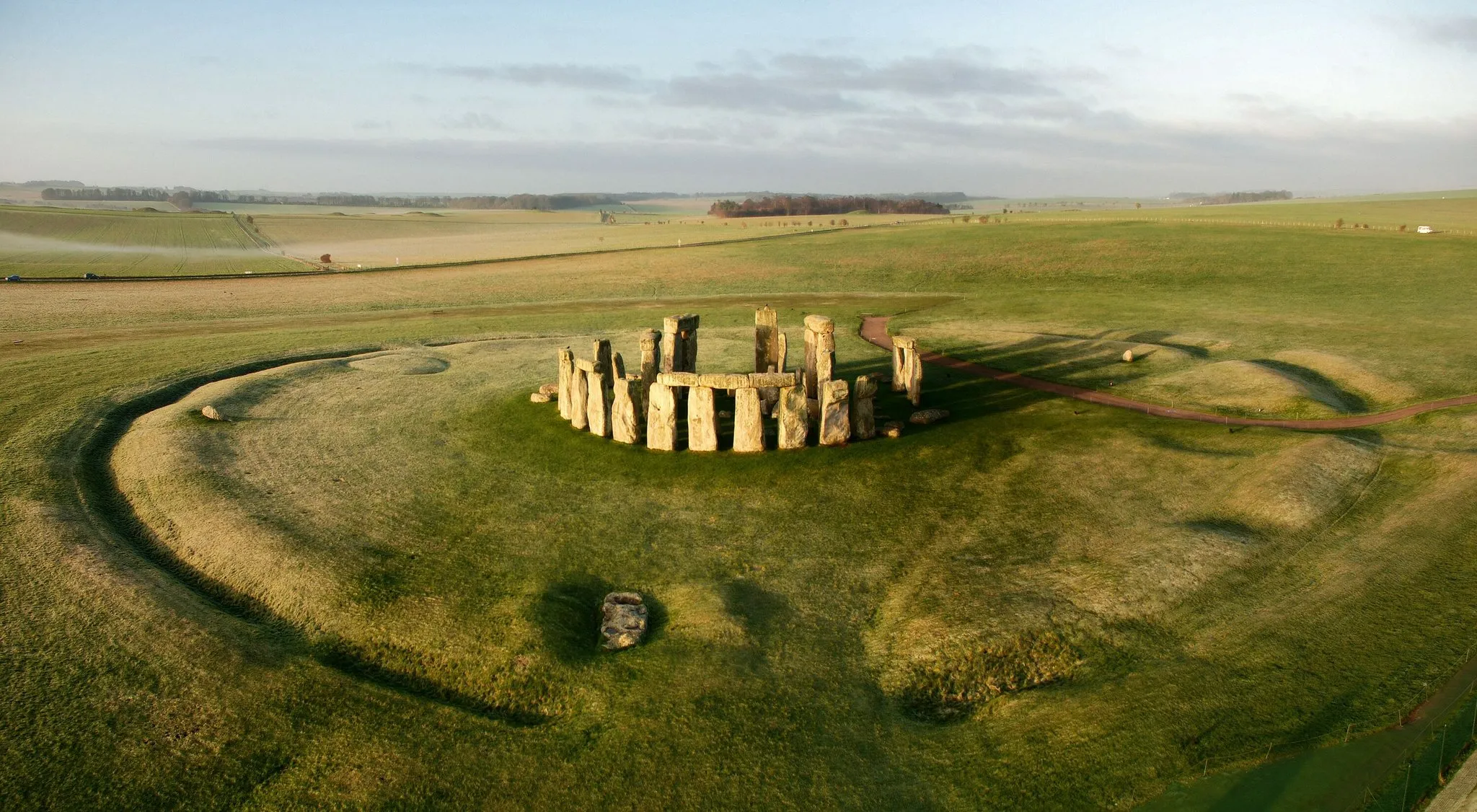
Early cremation burials within the henge suggest remembrance and ancestor rites intertwined with gatherings and processions.
Human remains, grave goods, and isotope studies illuminate mobility and connections across prehistoric Britain and beyond.
Roman to medieval encounters
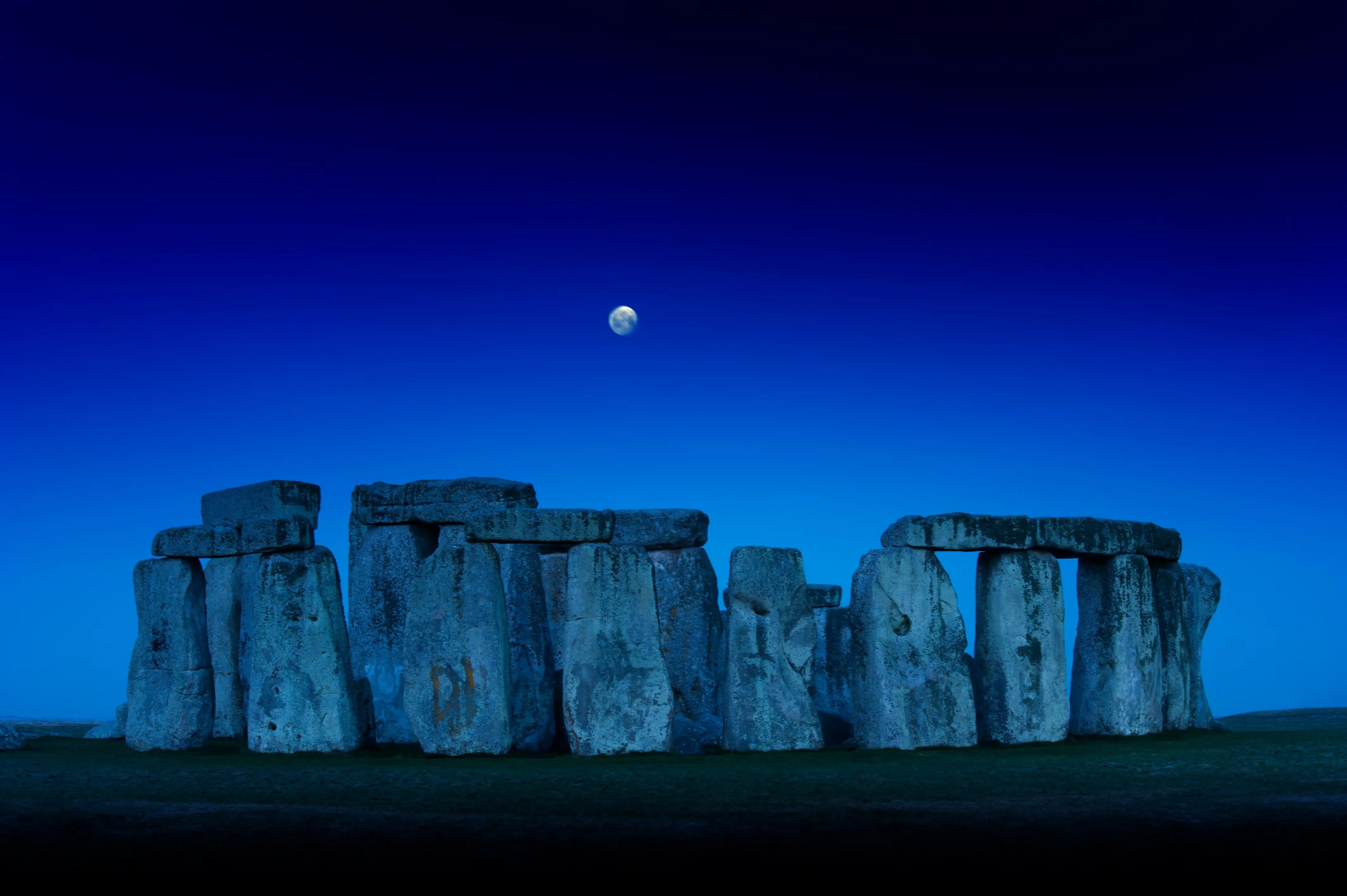
Romans and later medieval observers left traces and tales—curiosity about the stones is centuries old.
Names, sketches, and folklore map a long arc of wonder and reinterpretation.
Antiquarians and early excavations
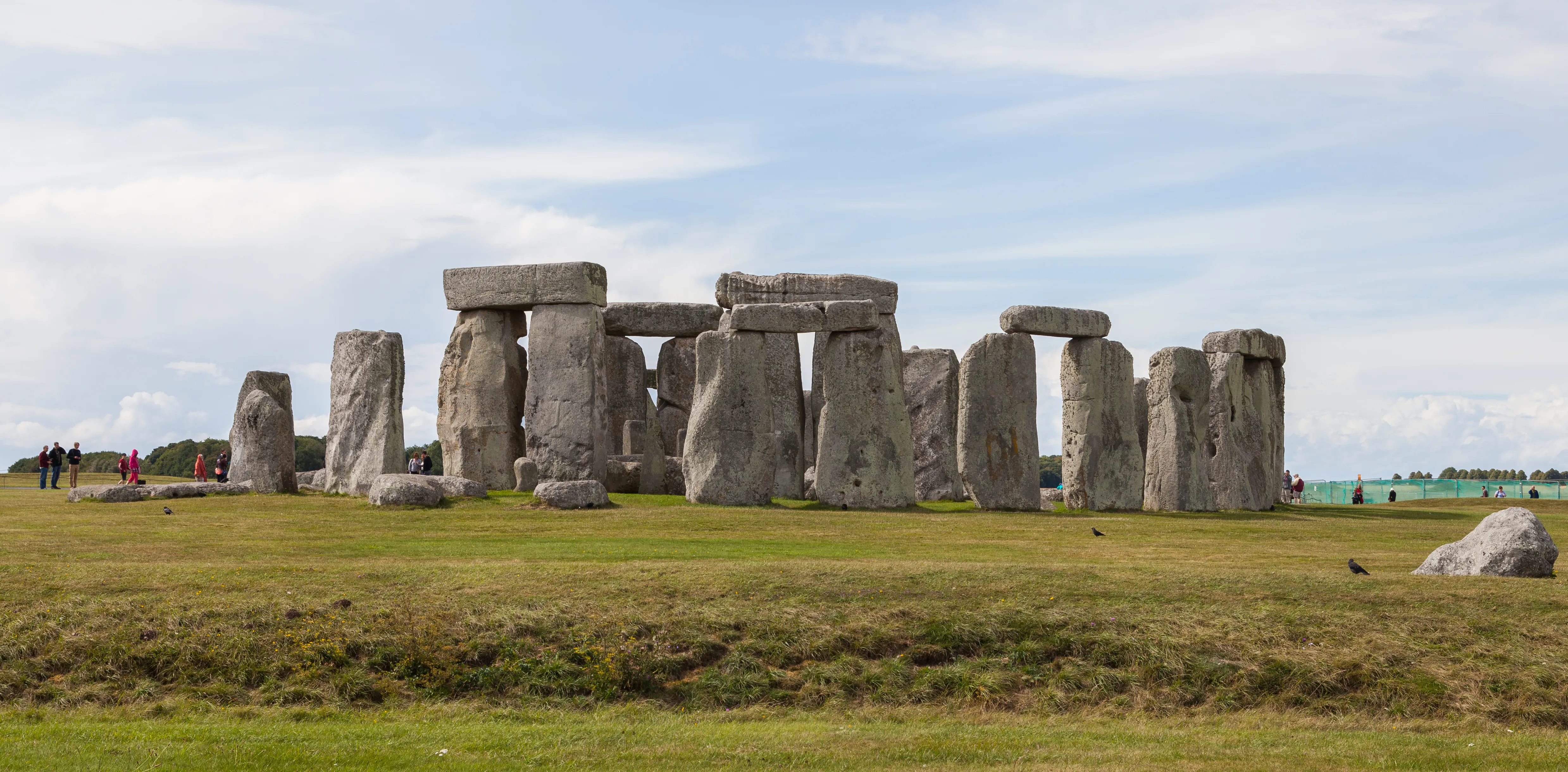
Inigo Jones, John Aubrey, and William Stukeley debated origins and recorded plans—foundations of modern study despite fanciful theories.
Victorian digs and early 20th‑century works stabilized leaning stones and refined chronologies.
Conservation and modern research
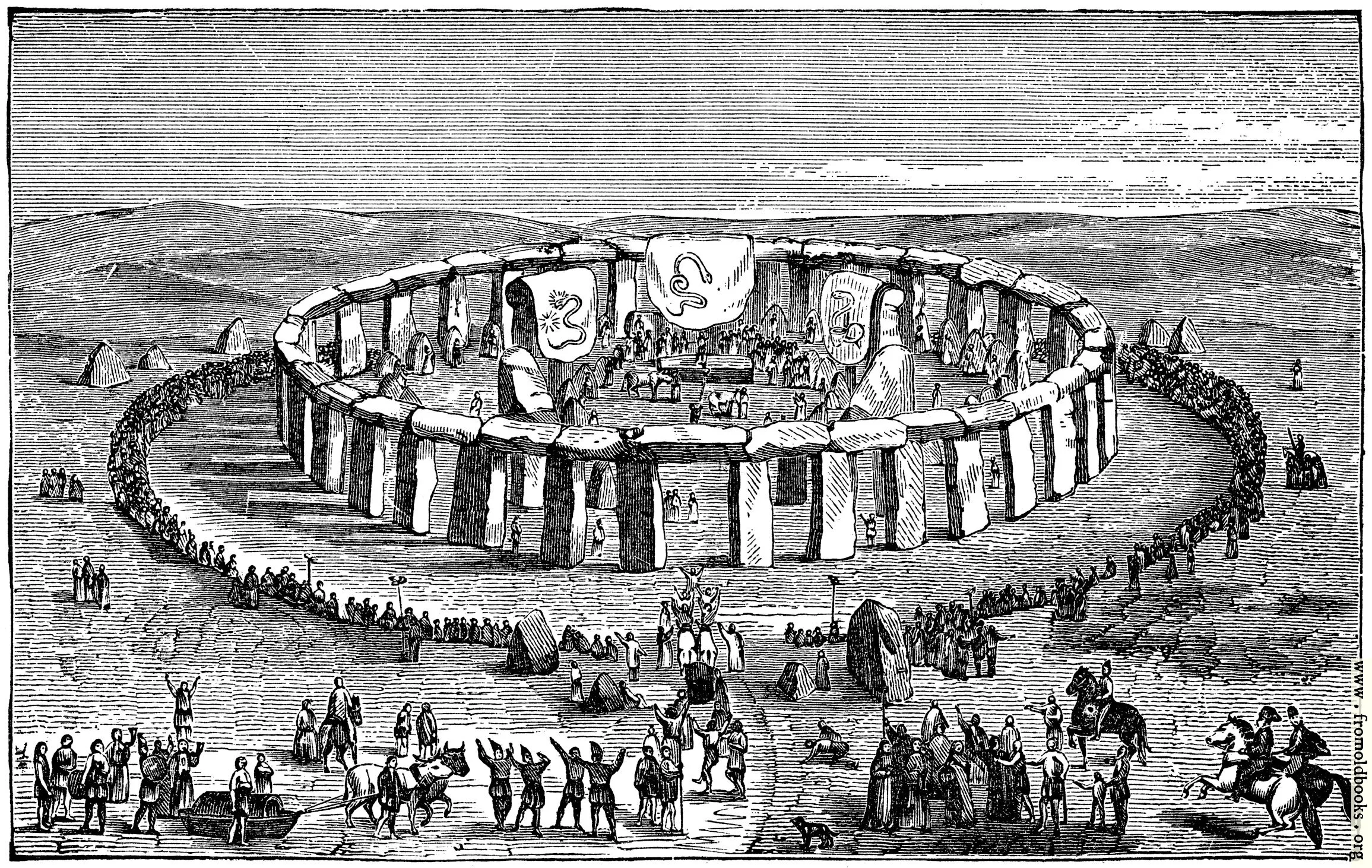
Today’s stewardship balances access, landscape restoration, and archaeological research—non‑invasive surveys map what lies beneath.
Environmental monitoring, careful footpath design, and ongoing study help protect fabric and setting.
Planning with historical context
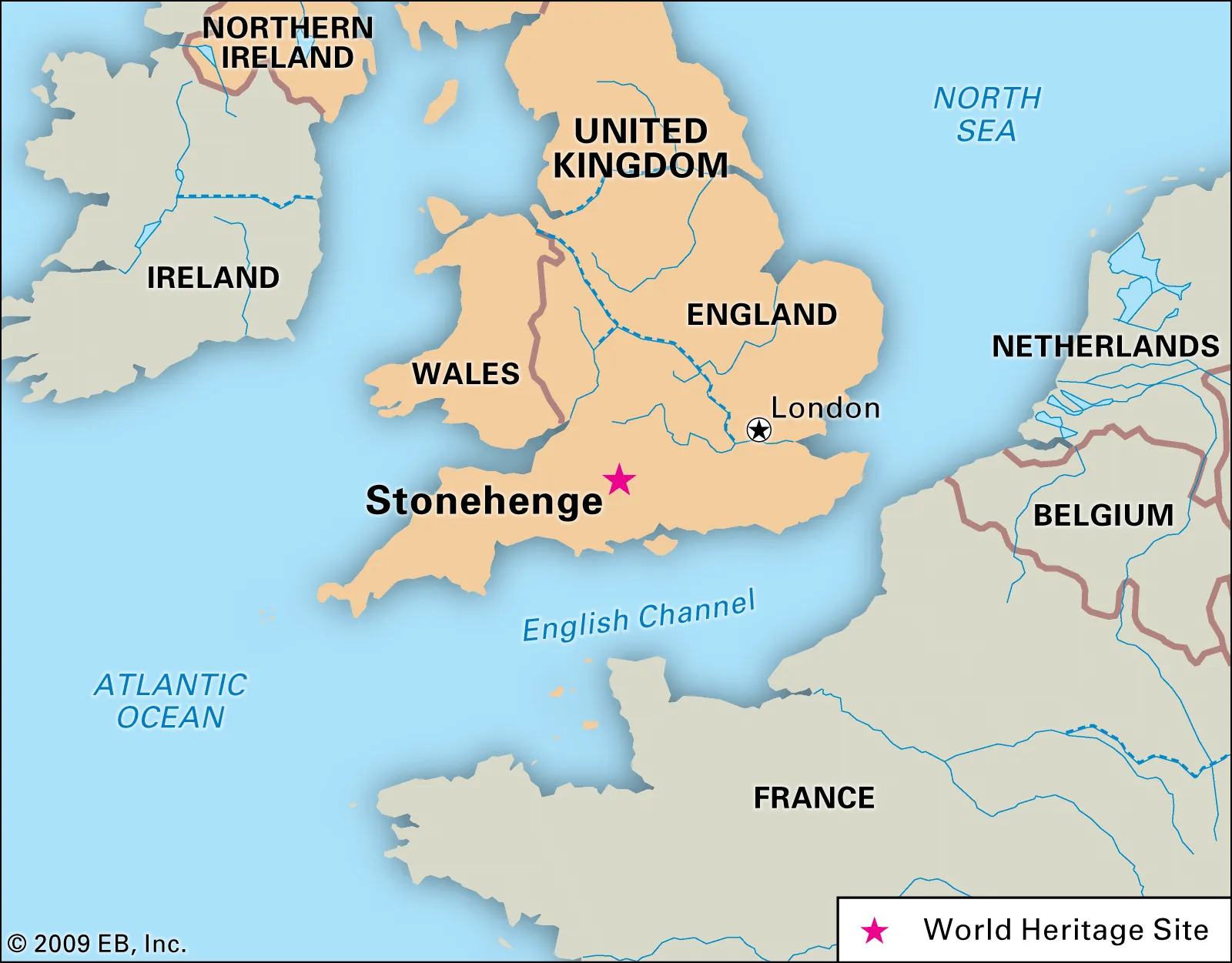
Start at the exhibition for grounding, then walk or shuttle to the circle—pause to notice tool marks, joints, and distant barrows.
Watch how wind, light, and horizon shape the experience—Stonehenge is as much sky as stone.
Salisbury Plain and surroundings
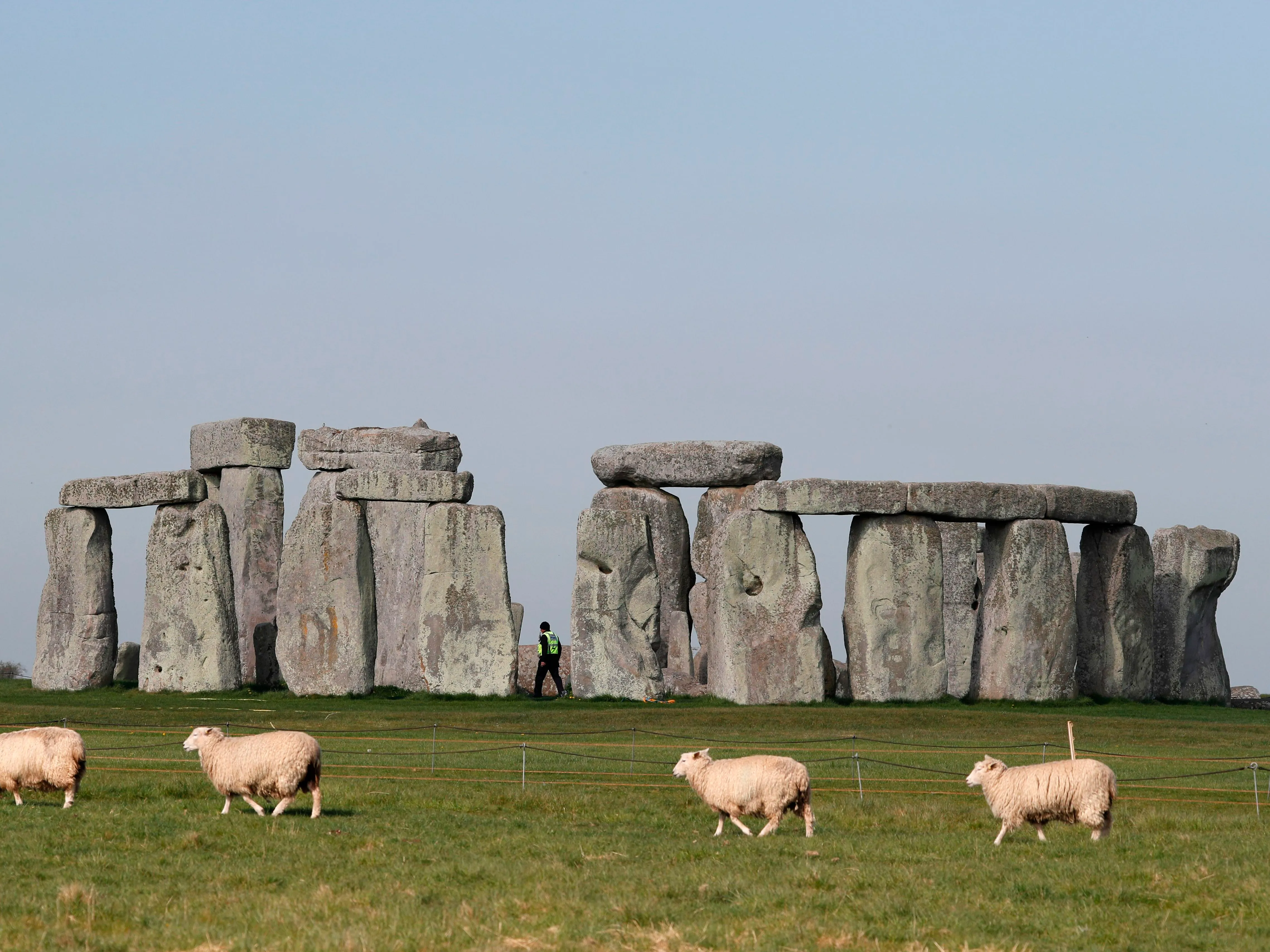
The chalk downland of Salisbury Plain creates big horizons and subtle contours—perfect for long views and alignments.
Nearby, the River Avon, Old Sarum, and Salisbury Cathedral add layers of story, craft, and landscape drama.
Nearby complementary sites
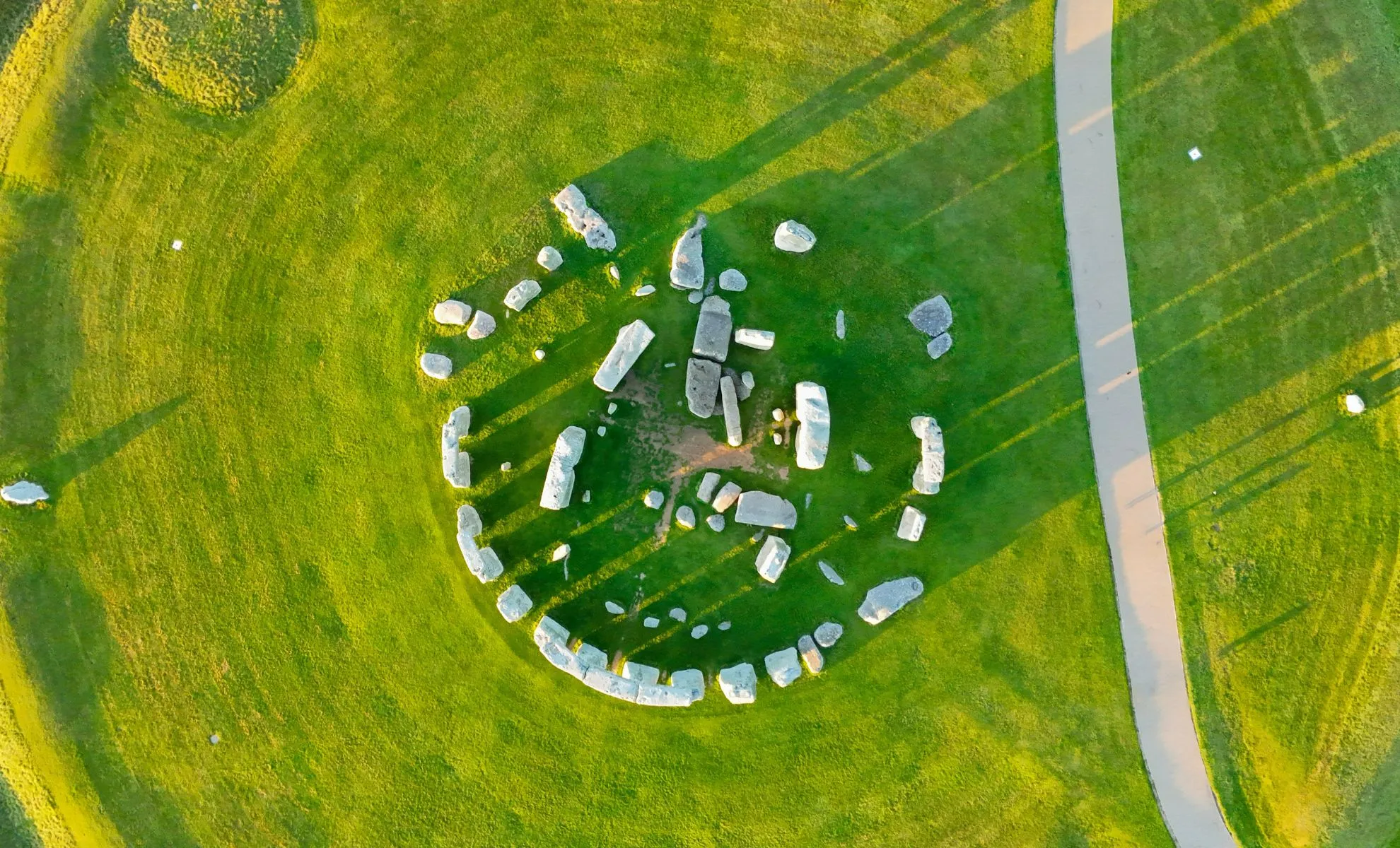
Avebury stone circle, West Kennet Long Barrow, Silbury Hill, Woodhenge, Durrington Walls, Old Sarum, and Salisbury Cathedral make great companions.
Pairing sites brings contrast: timber vs stone, Neolithic vs medieval, ritual landscapes vs soaring gothic.
Enduring legacy of Stonehenge
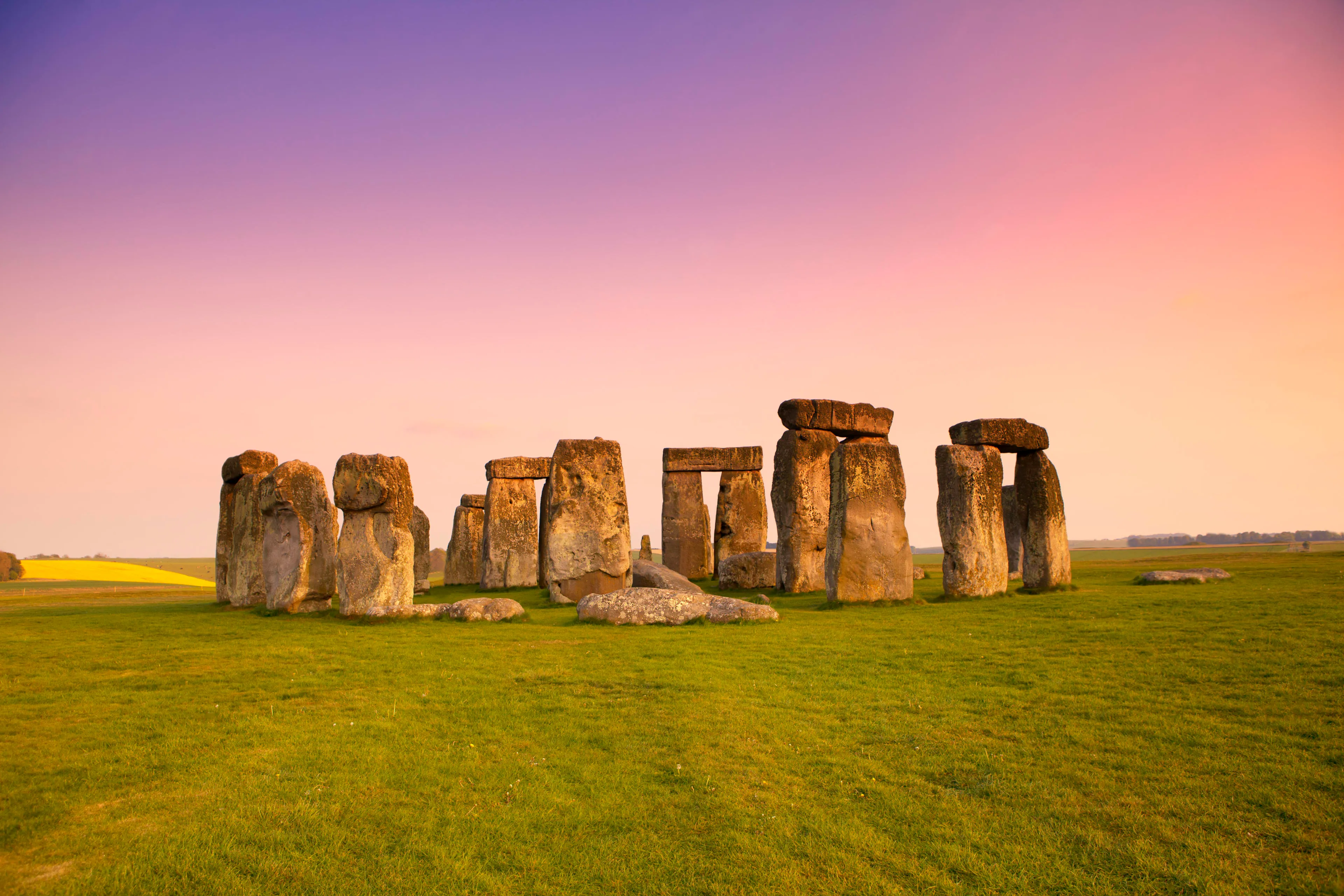
Stonehenge symbolizes ingenuity, gathering, and the human urge to shape meaning with place and sky.
Conservation and research keep questions alive—mystery, thankfully, is part of the experience.
Table of Contents
Origins and building phases
Raised over many centuries (c. 3000–2000 BCE), Stonehenge began as an earthwork henge and ditch before the iconic stone circle took shape.
Bluestones from west Wales and massive sarsens from the Marlborough Downs were shaped and set with care—the lintels locked by precise joints.
Neolithic society and purpose
Building Stonehenge demanded coordination, shared belief, and seasonal gatherings—evidence hints at feasting and large, skilled communities.
Meaning remains debated: ceremony, ancestors, healing, astronomy, or all at once—its power lies in layered possibilities.
Astronomy and solstice alignments
The monument frames the summer solstice sunrise and winter solstice sunset—moments when light, stones, and horizon align strikingly.
Astronomy likely intertwined with ritual calendars—alignments anchored seasonal rhythms and shared gatherings.
Landscape: avenues, cursus, barrows
Stonehenge belongs to a bigger ritual landscape—avenues connecting river and circle, long cursus monuments, and barrow cemeteries on the ridges.
Nearby sites like Durrington Walls and Woodhenge reveal a network of timber and stone monuments linked by movement and meaning.
Bluestones, sarsens, and geology
Sarsens (silcrete boulders) likely came from the Marlborough Downs; bluestones originated in the Preseli Hills—transported over long distances.
Mortise‑and‑tenon joints and tongue‑and‑groove lintels show astonishing prehistoric carpentry adapted to stone.
Burials, ritual, and memory
Early cremation burials within the henge suggest remembrance and ancestor rites intertwined with gatherings and processions.
Human remains, grave goods, and isotope studies illuminate mobility and connections across prehistoric Britain and beyond.
Roman to medieval encounters
Romans and later medieval observers left traces and tales—curiosity about the stones is centuries old.
Names, sketches, and folklore map a long arc of wonder and reinterpretation.
Antiquarians and early excavations
Inigo Jones, John Aubrey, and William Stukeley debated origins and recorded plans—foundations of modern study despite fanciful theories.
Victorian digs and early 20th‑century works stabilized leaning stones and refined chronologies.
Conservation and modern research
Today’s stewardship balances access, landscape restoration, and archaeological research—non‑invasive surveys map what lies beneath.
Environmental monitoring, careful footpath design, and ongoing study help protect fabric and setting.
Planning with historical context
Start at the exhibition for grounding, then walk or shuttle to the circle—pause to notice tool marks, joints, and distant barrows.
Watch how wind, light, and horizon shape the experience—Stonehenge is as much sky as stone.
Salisbury Plain and surroundings
The chalk downland of Salisbury Plain creates big horizons and subtle contours—perfect for long views and alignments.
Nearby, the River Avon, Old Sarum, and Salisbury Cathedral add layers of story, craft, and landscape drama.
Nearby complementary sites
Avebury stone circle, West Kennet Long Barrow, Silbury Hill, Woodhenge, Durrington Walls, Old Sarum, and Salisbury Cathedral make great companions.
Pairing sites brings contrast: timber vs stone, Neolithic vs medieval, ritual landscapes vs soaring gothic.
Enduring legacy of Stonehenge
Stonehenge symbolizes ingenuity, gathering, and the human urge to shape meaning with place and sky.
Conservation and research keep questions alive—mystery, thankfully, is part of the experience.