Látogatási időrend09:30 AM – 07:00 PM
|Szerda, Szeptember 2, 2026Stonehenge, Amesbury, Salisbury SP4 7DE, Egyesült Királyság
Vissza ide: culture
rituals
Stonehenge Druids & Rituals – Myths and Meanings
A clear-eyed look at druids and rituals at Stonehenge: separating modern myth from prehistoric practice and landscape evidence.
12/1/2025
17 min read
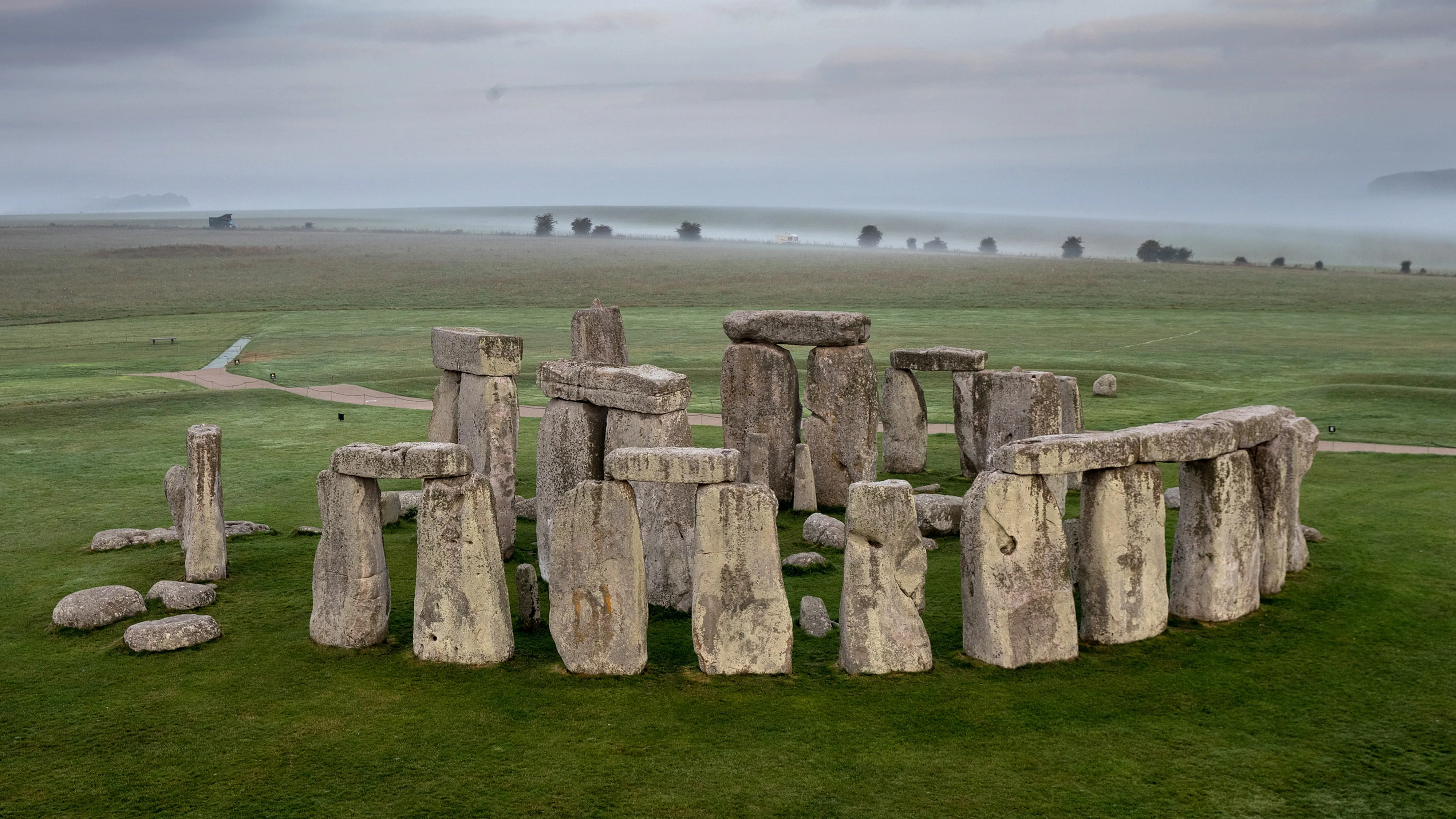
Bottom line: The druid-at-Stonehenge story is mostly modern invention, yet ritual behavior around the monument is ancient, complex, and deeply human.
Fast Facts
| Item | Detail |
|---|---|
| Period | Neolithic–Early Bronze Age |
| Themes | Ceremony, procession, ancestors, seasonal cycles |
| Modern Layer | 18th–20th c. revival of druidic identity |
| Key Events | Midwinter/midsummer gatherings in recent decades |
The Druid Myth vs. Prehistoric Reality
- Historical druids are Iron Age and documented in classical sources, not Neolithic.
- Stonehenge predates druids by over a millennium, yet ritual at Stonehenge is undeniable.
- Modern druid orders adopted Stonehenge as a symbolic stage from the 1700s onward.
Evidence of Ancient Ceremony
- Processional avenues linking River Avon to the circle.
- Funerary deposits and cremations indicating ancestor veneration.
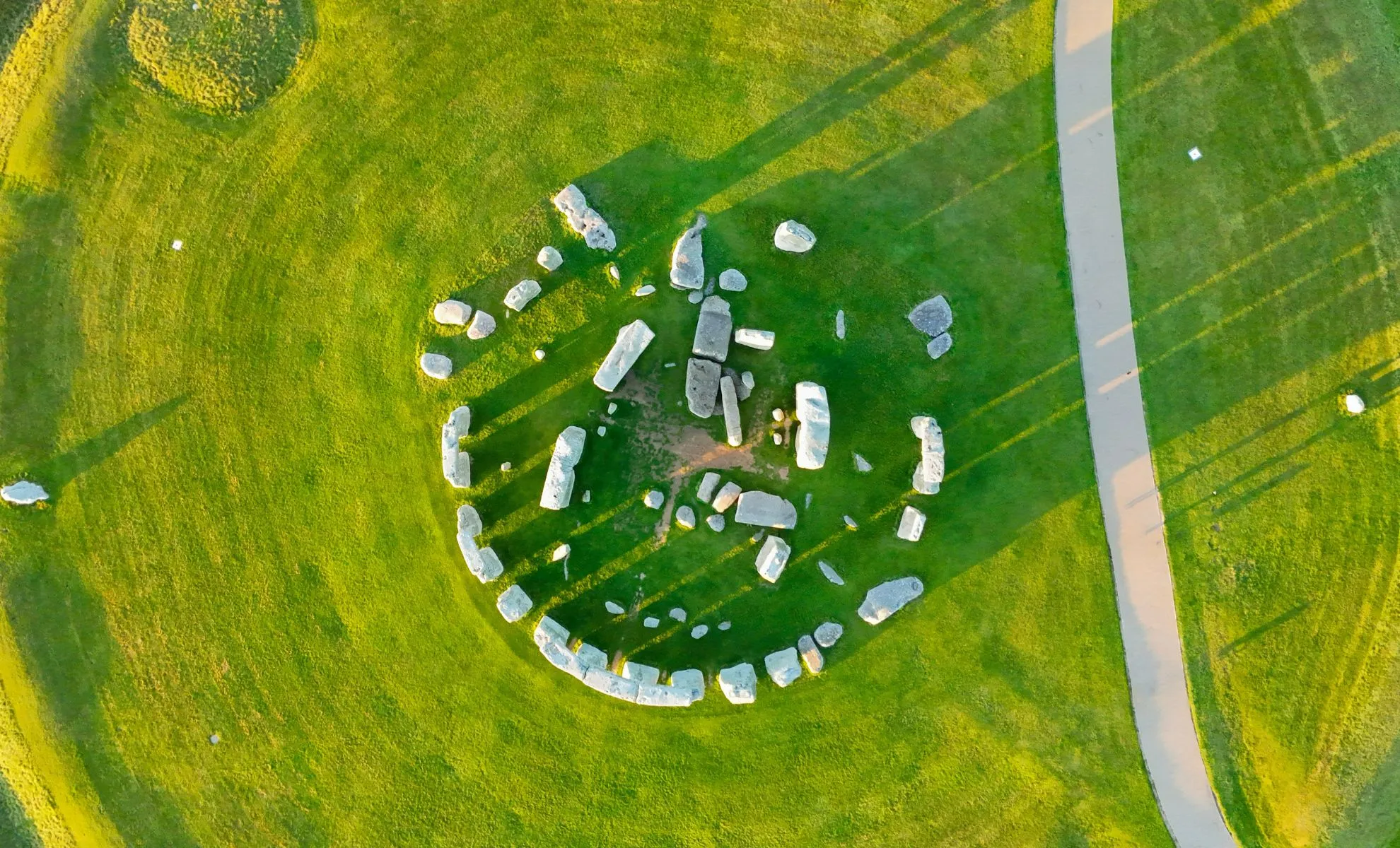
- Architectural alignments emphasizing seasonal transitions.
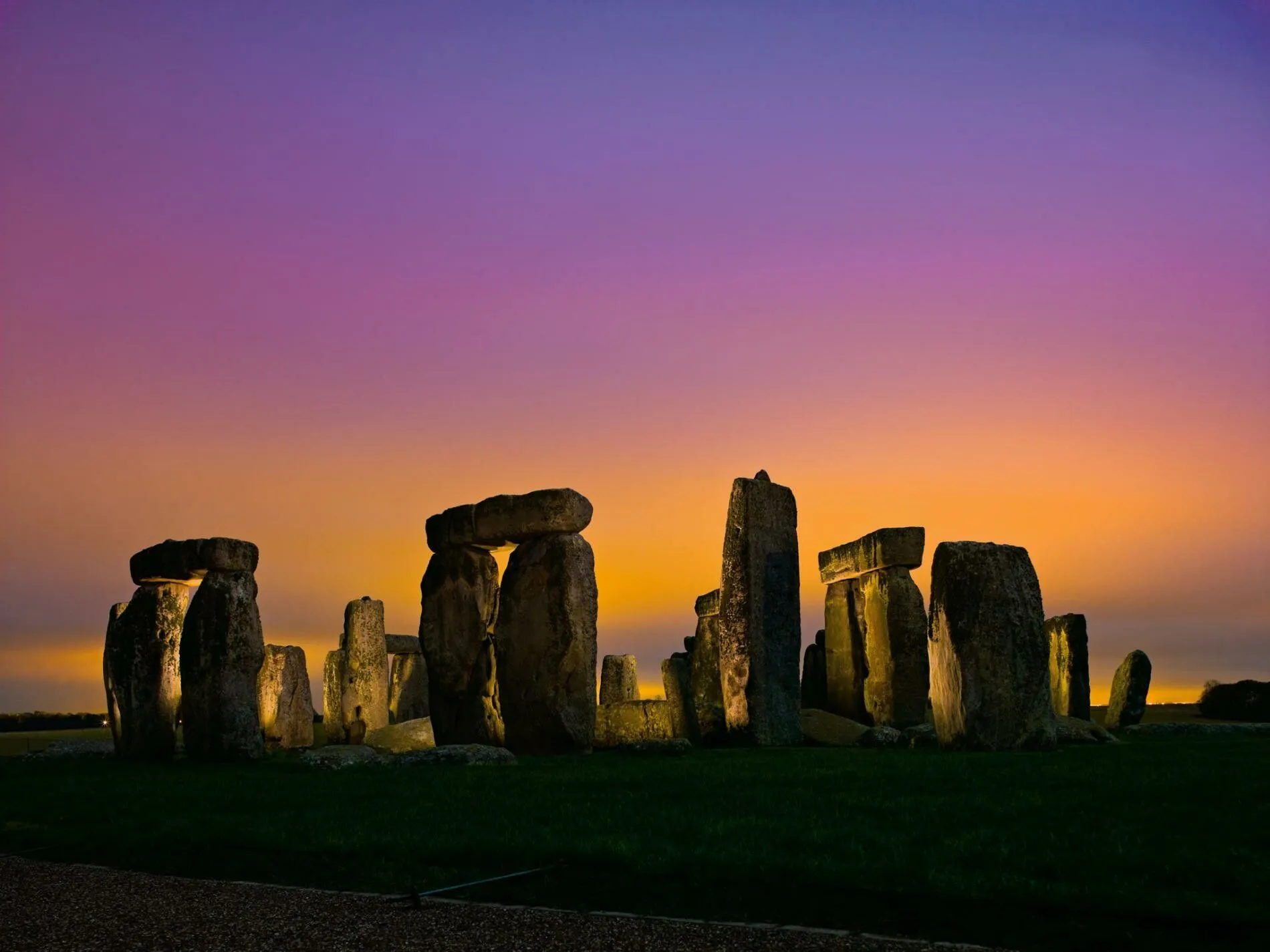
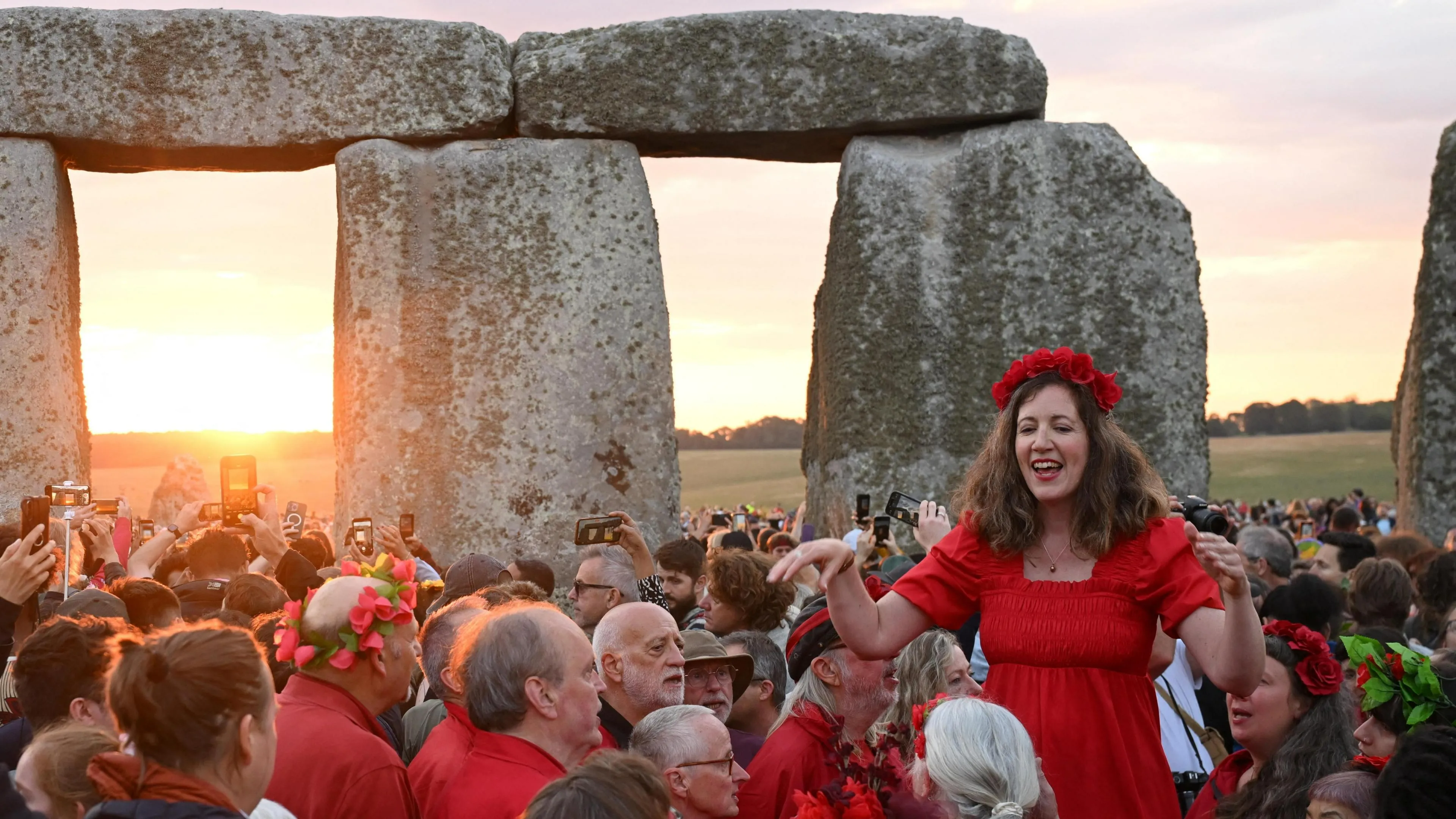
Image Highlights
Ritual Toolkit
- Sound and silence: stones frame acoustic experiences.
- Movement: avenues choreograph procession and pause.
- Sky cues: light and shadow mark seasonal thresholds.
Modern Gatherings
- Contemporary druid and pagan groups meet at solstices.
- English Heritage manages access; respect the Scheduled Monument.
Visiting Tips
- Arrive before dawn at solstice for the first light.
- Dress warm; winds across the plain can be sharp.
- Keep to paths; the ground is archaeologically sensitive.
Bottom Line
Stonehenge hosts ritual across millennia: while druids are modern here, the human need for ceremony is timeless.
See Also
A szerzőről

Prehistory & Ritual Editor
Azért készült, hogy nyugodtan élvezd Stonehenge‑t — tiszta tempó, jobb időzítés, kontextus rezonanciával.
Tags
Druids
ritual
ceremony
prehistoric religion
solstice
Comments (0)
Leave a Comment
Loading comments...